


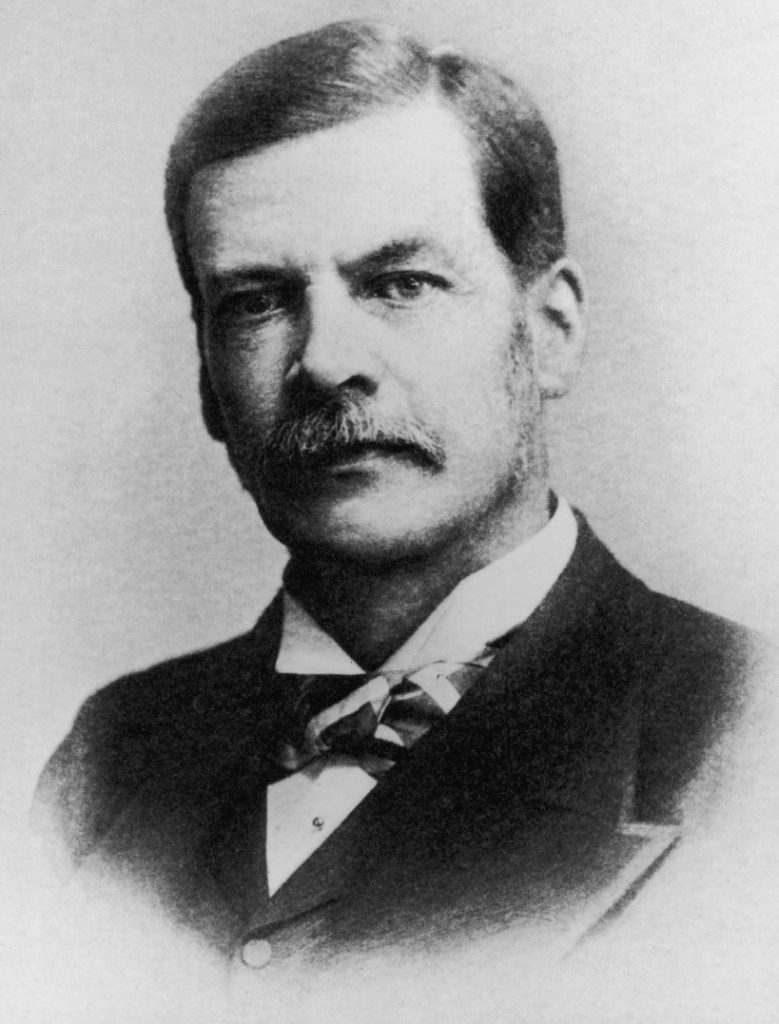
Ernest Satow
0British diplomat and Japanologist who wrote A Guide to Diplomatic Practice (1917), the first comprehensive English-language manual of diplomatic law and procedure. Known simply as 'Satow,' it systematized centuries of customary practice—precedence, immunities, treaty-making, congresses—into a single reference work that has never gone out of print. His forty-five-year career in the Far East, particularly in Bakumatsu-era Japan, gave him firsthand experience of diplomacy during a pivotal moment of imperial expansion. His memoir A Diplomat in Japan (1921) remains a primary source for the Meiji Restoration, valued for its unvarnished insider perspective.


Key Insights
- ✦
What made 'Satow' the standard reference for diplomats?
Before 1917, no comprehensive English-language study of diplomatic practice existed. Satow filled this gap by systematizing the full range of diplomatic law and procedure—the history of international diplomacy, precedence among states and sovereigns, diplomatic immunities, treaty-making, and the conduct of congresses and conferences from 1648 onward. The work was unique in its method of treatment and the amount of original research it embodied, according to Professor Oppenheim's introduction to the first edition. Its reputation was immediate, and it has been updated through numerous editions, remaining in print for over a century.
- ✦
How did Satow's experience in Japan shape his diplomatic thinking?
Satow arrived in Japan in 1862 as a student interpreter, aged 18, and witnessed the overthrow of the Tokugawa Shogunate and the Meiji Restoration firsthand. His Japanese language skills became indispensable to Sir Harry Parkes's negotiations with both the failing shogunate and the Satsuma and Chōshū clans. Parkes's colleague Lord Redesdale wrote that 'Satow's was the brain which was responsible for the work' of the legation during those critical years. This immersion in high-stakes diplomacy during a period of revolutionary change gave Satow practical insight that informed his later systematic writing.
- ✦
What is the significance of A Diplomat in Japan for historians?
Published in 1921 and based on diaries kept between 1862 and 1869, the book offers a rare foreign insider's view of the years leading to the Meiji Restoration. Satow was present at many meetings between foreign representatives and Japanese officials, and his narrative includes detailed portraits of figures like Saigō Takamori, whom he met under a pseudonym before learning his real identity. The book's unvarnished opinions of officials and its behind-the-scenes account of political decision-making made it valuable—and controversial. A complete Japanese translation was not authorized until after World War II.
- ✦
How does Satow's Guide differ from Harold Nicolson's later Diplomacy?
Satow's Guide is a comprehensive legal and procedural reference work—covering immunities, precedence, treaty law, and conference practice—written by a career diplomat drawing on forty-five years of service. Nicolson's 1939 Diplomacy is a reflective essay on the profession's character and virtues, written after twenty years in the Foreign Service, defending continuity and expertise against democratic intrusions. Satow systematized the field's rules and customs; Nicolson meditated on its spirit. Where Satow produced a manual consulted by practitioners, Nicolson produced a meditation read by students of international relations.
- ✦
What was Satow's later diplomatic career beyond Japan?
After leaving Japan in 1883, Satow served as Agent and Consul-General in Bangkok, then Minister Resident in Uruguay and Morocco. In 1895 he returned to Japan as Envoy Extraordinary and Minister Plenipotentiary, serving five years during a period of Japan's military buildup after the Triple Intervention. From 1900 to 1905 he was British Minister in Peking, handling the Boxer Rebellion's aftermath. He was Britain's second plenipotentiary at the Second Hague Peace Conference in 1907, retiring to Devon in 1906 after forty-five years of service.
- ✦
Why is Satow still remembered in Japan more than in Britain?
Satow is recognized in Japan as perhaps the most important foreign observer of the Bakumatsu and Meiji periods. His language skills, personal relationships with Japanese leaders like Saigō Takamori, and detailed diaries made him a uniquely valuable witness to Japan's transformation from feudal shogunate to modern imperial state. In Britain, his Guide to Diplomatic Practice remains a standard reference, but his Japan connection is less known outside specialist circles. The Japanese regard him as a foundational figure in Japanology—a founding member of the Asiatic Society of Japan in 1872.