


Sigmund Freud
Sigmund Freud (1856-1939) was an Austrian neurologist and the founder of psychoanalysis, a clinical method for treating psychopathology through dialogue. His landmark works, including 'The Interpretation of Dreams' and 'Three Essays on the Theory of Sexuality,' introduced concepts like the unconscious, repression, and the Oedipus complex. Freud's structural model of the mind—id, ego, and superego—and his emphasis on early childhood experiences fundamentally shaped modern psychology, psychiatry, and cultural theory. Despite controversy, his ideas remain essential to understanding human behavior and motivation.

The Psychopathology of Everyday Life

The Interpretation of Dreams

Group Psychology and the Analysis of the Ego

Introductory Lectures on Psycho-AnalysisV

Studies on Hysteria

Moses and Monotheism
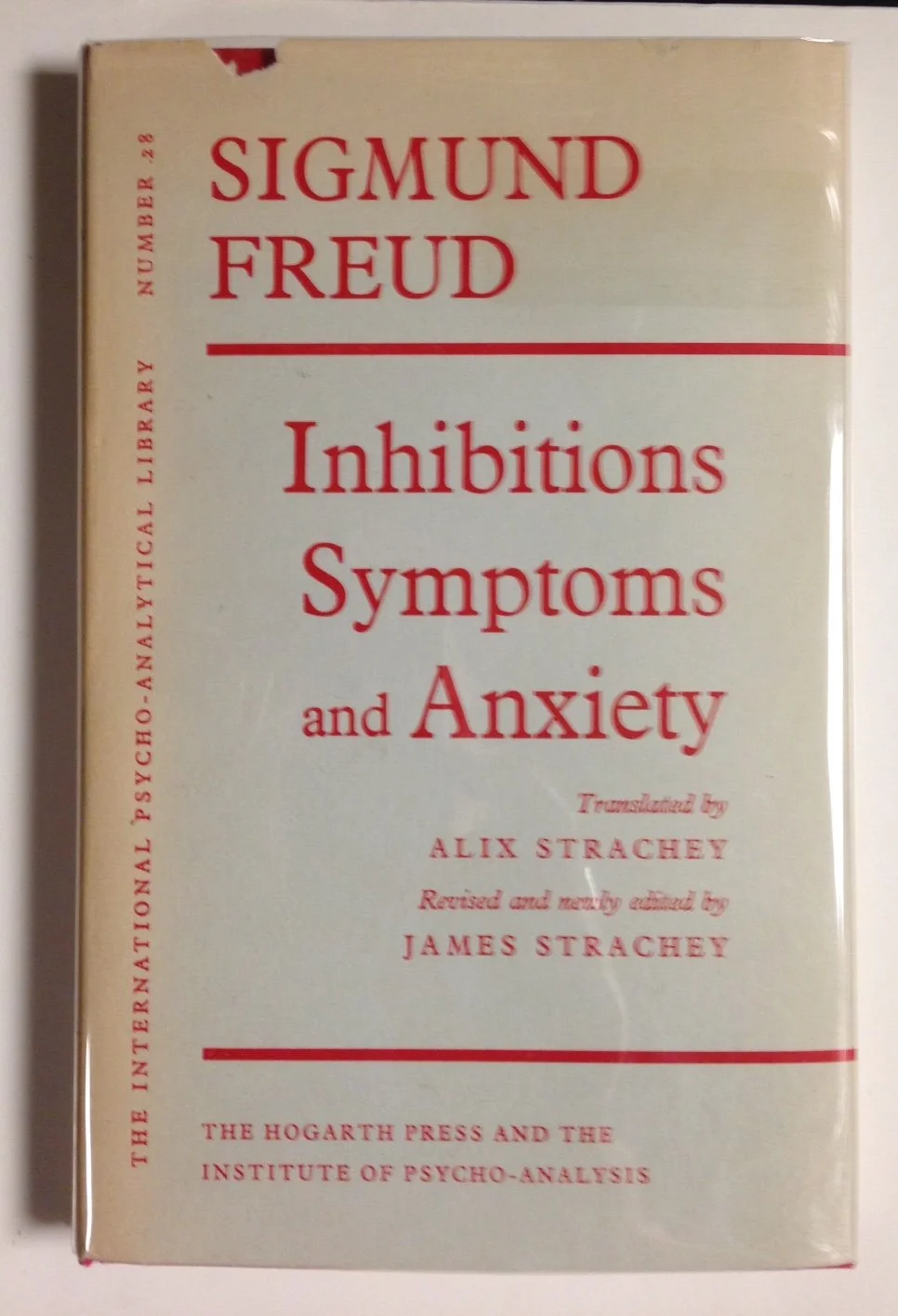
Inhibitions, Symptoms and Anxiety

Three Essays on the Theory of Sexuality

The Ego and the Id

Totem and Taboo: Resemblances Between the Psychic Lives of Savages and Neurotics

Beyond the Pleasure Principle

Civilization and Its Discontents


✦What is Sigmund Freud best known for?
Sigmund Freud is best known as the founder of psychoanalysis, a revolutionary approach to understanding the human mind. He introduced the concept of the unconscious, where repressed thoughts and desires influence behavior. His theories on dream interpretation, the Oedipus complex, and the psychosexual stages of development have had a profound impact on psychology, psychiatry, and Western culture. Despite criticism, his work laid the groundwork for modern talk therapies and continues to spark debate and research.
✦What are the main theories of Sigmund Freud?
Freud's main theories include the idea that unconscious motives drive human behavior, the structure of the mind into id, ego, and superego, and the psychosexual stages of development (oral, anal, phallic, latent, genital). He also proposed the Oedipus complex, where children develop unconscious desires for the opposite-sex parent. Additionally, he developed the theory of dream analysis, viewing dreams as wish fulfillments that reveal hidden conflicts. His work emphasized the importance of early childhood experiences in shaping personality and mental health.
✦What is the Oedipus complex according to Freud?
The Oedipus complex is a central concept in Freudian psychoanalysis, describing a child's unconscious desire for the opposite-sex parent and rivalry with the same-sex parent. It occurs during the phallic stage (ages 3-6). For boys, this involves desire for the mother and fear of castration by the father; for girls, it is sometimes termed the Electra complex. Freud believed successful resolution of this conflict leads to identification with the same-sex parent and the development of a mature gender identity and moral conscience.
✦How did Freud interpret dreams?
Freud viewed dreams as the 'royal road to the unconscious.' He believed that dreams express repressed wishes and conflicts in disguised form. In his book 'The Interpretation of Dreams,' he distinguished between the manifest content (the literal story) and the latent content (the hidden psychological meaning). Through free association, patients could uncover the latent content. He argued that dreams use symbols and condensation to represent forbidden desires, and analyzing them provides insight into unconscious processes and unresolved issues.
✦What are Freud's psychosexual stages?
Freud proposed five psychosexual stages: oral (0-1 year), anal (1-3), phallic (3-6), latent (6-puberty), and genital (puberty onward). Each stage centers on a different erogenous zone. Fixation at a stage due to excessive or insufficient gratification can lead to specific personality traits. For example, oral fixation may result in dependency or aggression. The phallic stage is crucial for the Oedipus complex. Successful progression leads to a healthy adult personality, while unresolved conflicts can cause neuroses.
✦What is the id, ego, and superego?
Freud's structural model of the psyche divides the mind into three parts: the id, ego, and superego. The id operates on the pleasure principle, seeking immediate gratification of basic drives. The ego works on the reality principle, mediating between the id's impulses and the external world. The superego represents internalized moral standards and ideals, often conflicting with the id. The ego must balance these forces, and psychological distress arises when conflicts become overwhelming, leading to defense mechanisms like repression.
✦Why is Sigmund Freud still important today?
Sigmund Freud remains important because his ideas fundamentally changed how we think about the mind, mental illness, and human motivation. Although many of his specific theories have been criticized or revised, concepts like the unconscious, defense mechanisms, and the influence of early experiences are integral to modern psychology and psychiatry. His emphasis on talking as therapy paved the way for psychodynamic and other therapeutic approaches. Freud's work also influenced literature, art, and cultural studies, ensuring his legacy as one of the most influential thinkers of the 20th century.