


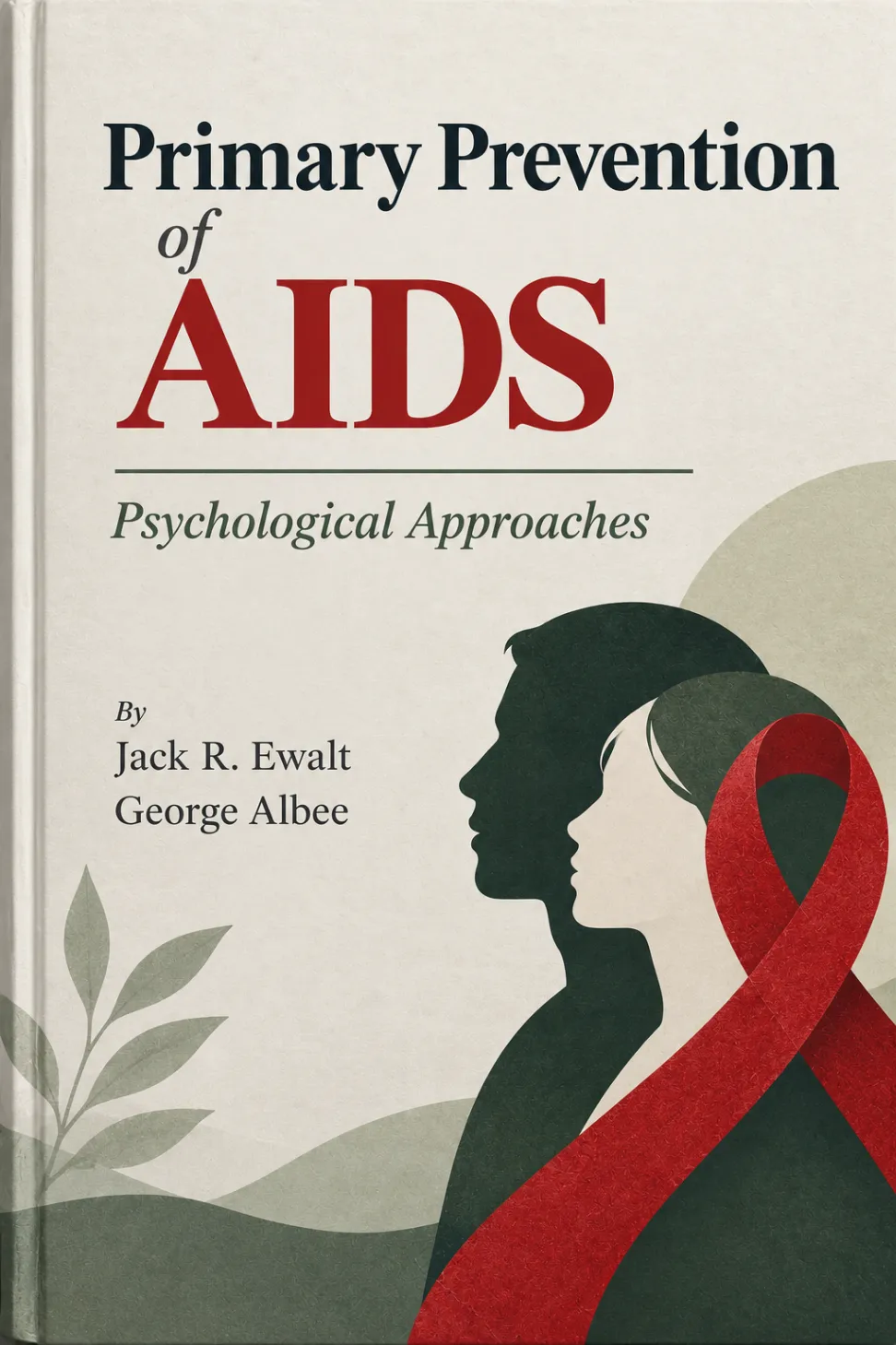
Primary Prevention of AIDS: Psychological Approaches
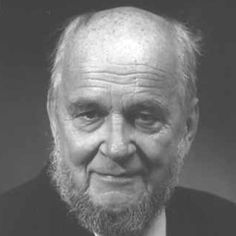 George Wilson Albee
This 1989 volume, edited by Mays, Albee, and Schneider, applies the Vermont Conference's primary prevention framework to the AIDS epidemic at a moment when no cure or vaccine existed. The book's distinctive argument is that psychological theory—reasoned action, health beliefs, self-efficacy, risk perception—must drive behavior-change interventions, and that these interventions must be tailored to the specific cultural and social contexts of gay men, ethnic minorities, women, and intravenous drug users. It rejects generic, one-size-fits-all prevention messaging in favor of targeted, theory-grounded strategies.
Key Details
Related Books
View AllSimilar books from the same category, ranked by shared topics and reader engagement.



Key Insights — Read in 10 Minutes
What is the central argument of Primary Prevention of AIDS, and what approach to prevention does it reject?
The volume argues that AIDS prevention must be grounded in psychological theory and tailored to the specific social and cultural contexts of at-risk populations, rather than relying on generic public health messaging. Albee's opening chapter frames primary prevention in public health terms, identifying the problems and challenges of behavior change as prevention . The book rejects one-size-fits-all interventions: separate sections address gay men, ethnic minorities and women, and intravenous drug users, each with distinct cultural dynamics, risk practices, and barriers to behavior change . This targeted approach reflects the Vermont Conference's commitment to understanding the noxious agents—social, cultural, psychological—that sustain risk behavior in particular communities.
Which psychological theories and models are applied to AIDS prevention in this volume?
The book assembles chapters on several foundational behavior-change theories: Fishbein and Middlestadt apply the Theory of Reasoned Action to understanding and changing AIDS-related behavior; Kirscht and Joseph examine the Health Belief Model with reference to homosexual males; Bandura contributes a chapter on perceived self-efficacy in exercising control over AIDS infection; Weinstein addresses perceptions of personal susceptibility; and Fischhoff covers decision-making about AIDS . These chapters demonstrate the volume's core methodological claim: that effective prevention requires specifying the psychological mechanisms—intentions, beliefs, efficacy, risk perception—through which behavior change occurs, rather than assuming information alone will change behavior.
How does this volume's approach differ from the medical model of AIDS prevention?
The volume explicitly positions psychological and behavioral prevention as necessary because biomedical solutions were unavailable and would remain inaccessible even if developed. As Herek's contemporaneous review noted, the book reminds readers throughout that cures and vaccines were years away and would probably be available only to those with access to high-cost health care . Even effective medical interventions, the volume argues, would not eradicate AIDS. This framing parallels Albee's broader critique of the medical model in mental health: just as one-to-one treatment cannot reach all who need mental health care, biomedical fixes for AIDS cannot alone stop transmission. Prevention through behavior change—grounded in psychological theory and cultural specificity—is the only scalable strategy.
What specific populations and cultural contexts does the volume address, and why does this matter?
The book is structured around targeted populations: gay men (including chapters on psychological costs of behavior change, group interventions, and risk-reduction models), ethnic minorities and women (including chapters on Black populations, Native American sexuality, Asian American communities, and women and HIV infection), and intravenous drug users (with a chapter on Mexican-American needle-sharing practices) . This structure embodies the volume's argument that prevention must be culturally specific. Mays's chapter on Black populations, Tafoya's on Native American sexuality, and Aoki's on Asian American communities each address how cultural norms, community structures, and historical experiences shape both risk and prevention response . Generic messaging ignores these differences and fails.
What was the immediate reception of this volume, and what limitations were noted?
Gregory Herek's 1991 review in Contemporary Psychology called the book a solid contribution to the literature on psychosocial aspects of the HIV epidemic . He praised its comprehensive coverage but noted a limitation inherent to the topic's pace: some material was already dated, a problem faced by any book in this rapidly evolving area . Herek advised that psychologists read it alongside professional journal articles and other volumes . This reception captures the tension the volume faced: its theoretical chapters on behavior-change models have aged relatively well, while its epidemiological and intervention-specific content required updating as the epidemic and prevention science evolved.
How does this book relate to Albee's broader primary prevention framework and his work on mental health manpower?
The volume is volume 13 in the Primary Prevention of Psychopathology series, which Albee co-edited and which emerged from the Vermont Conference he founded in 1975 . It applies his core prevention logic—developed in Mental Health Manpower Trends—to a new epidemic: if you cannot treat everyone affected, you must prevent new cases from occurring. Albee's opening chapter on primary prevention in public health explicitly connects the AIDS case to this broader framework . The book also reflects Albee's commitment to addressing social and cultural determinants of health: the targeted sections on minorities, women, and drug users engage with the structural conditions—racism, sexism, poverty, stigma—that shape both risk and access to prevention.
Show 1 more insights
What is the most common misreading or oversimplification of this volume's argument?
The most persistent misreading is that the volume advocates replacing biomedical approaches with psychological ones, or that it treats behavior change as a simple matter of individual choice. In fact, the book's targeted structure and cultural specificity argue against individualistic framing: risk behavior is understood as embedded in social contexts, community norms, and structural conditions. Mays's chapter on Black populations, for instance, addresses how racism and community distrust shape prevention . The volume also acknowledges psychological costs of behavior change for gay men—suggesting that prevention is not merely about transmitting correct information but about supporting sustainable changes in complex social and sexual lives . The argument is not that psychology replaces medicine, but that prevention cannot succeed without it.
Wealthy Psyche is an intellectual archive. We do not host, distribute, or sell book copies — physical or digital. We provide structured knowledge to help you think better, faster.