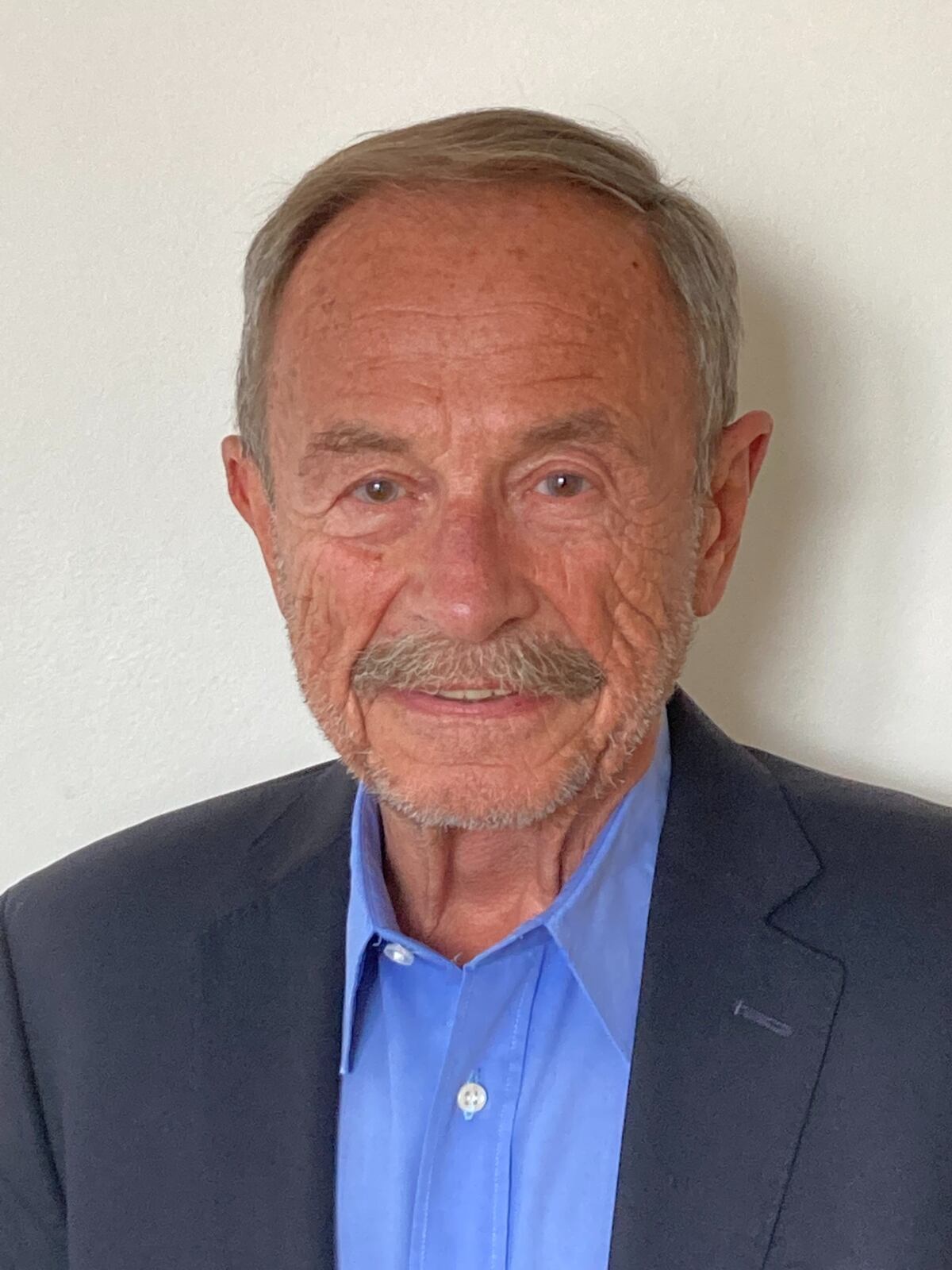


Robert A. Dahl
Robert A. Dahl fundamentally reshaped democratic theory by replacing the idealized concept of 'democracy' with the empirically grounded term 'polyarchy' to describe modern representative systems. Through his landmark study of New Haven in *Who Governs?* (1961), he demonstrated that power in American cities is dispersed among competing groups rather than concentrated in a single elite, providing the empirical foundation for pluralist theory [citation:2][citation:11]. A Sterling Professor at Yale and president of the American Political Science Association (1966-67) [citation:5], Dahl developed five procedural criteria for democracy—effective participation, voting equality, enlightened understanding, agenda control, and inclusion [citation:13]. His work bridged normative political theory and empirical social science, profoundly influencing how scholars measure and understand democratization globally [citation:8].

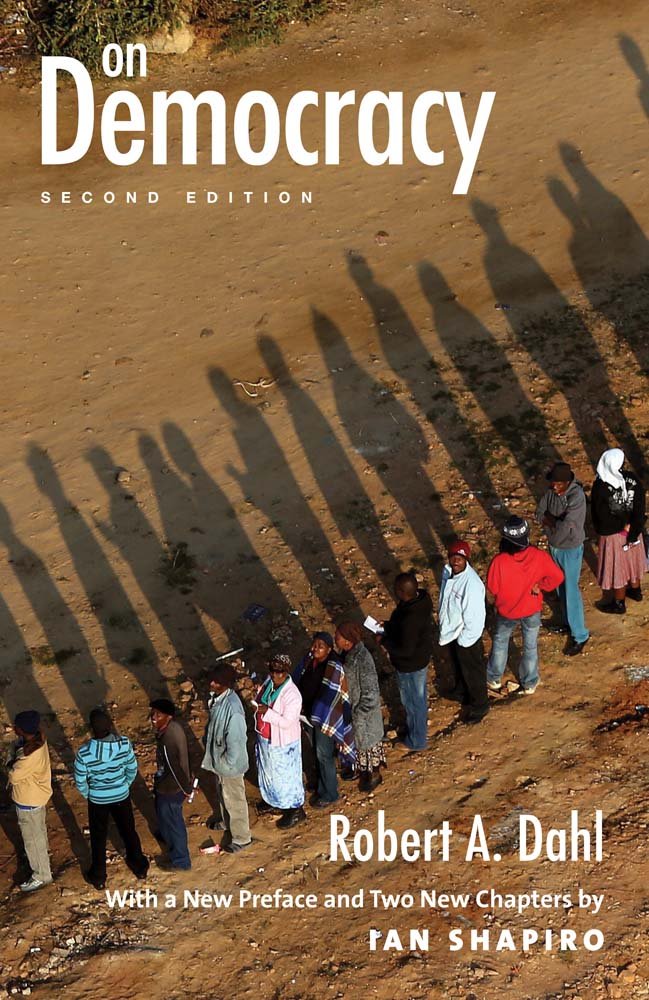


✦What is 'polyarchy' and why did Dahl introduce this term?
Polyarchy, coined by Dahl, refers to the institutional arrangements of modern representative systems that approximate the ideal of democracy but fall short of it [citation:8]. Dahl argued that 'democracy' invoked the Greek ideal of direct citizen participation, no longer suitable for classifying contemporary regimes. Polyarchies are characterized by universal suffrage, free and fair elections, freedom of expression, access to alternative information, and autonomous organizations including opposition parties [citation:8][citation:12]. The term allowed Dahl to develop an empirical definition of democratization while maintaining normative criteria against which real systems could be judged.
✦What did Dahl's study in *Who Governs?* reveal about power in American cities?
In *Who Governs?* (1961), Dahl studied three policy areas in New Haven—political nominations, urban redevelopment, and public education—and found that power was fragmented rather than concentrated in a single elite [citation:2][citation:11]. Different actors wielded influence in different domains, with only the mayor exercising power across all three. This provided the empirical foundation for pluralist theory, demonstrating that American democracy operates through dispersed power among competing interest groups rather than domination by a cohesive ruling class [citation:2][citation:9].
✦How did Dahl define the ideal democratic process?
Dahl specified five procedural criteria for an ideal democratic process: effective participation (citizens have adequate opportunities to express their views), voting equality (all votes count equally), enlightened understanding (citizens have opportunities to learn about policy options), control of the agenda (citizens have authority over what issues are decided), and inclusion of all adults [citation:13]. These standards served as a benchmark against which real-world systems could be evaluated—a task Dahl undertook extensively in *Democracy and Its Critics* (1989).
✦How did Dahl's pluralism differ from the 'elite' theories of democracy?
Dahl rejected both the elite theorists who argued power inevitably concentrated in a small ruling class and Joseph Schumpeter's minimalist definition of democracy as merely a competition for votes [citation:3]. While Schumpeter viewed democratic politics as a method for selecting leaders, Dahl insisted that polyarchy required genuine commitment to political equality, responsiveness, pluralism, and self-government—not just procedural elections. He maintained that while polyarchies were only approximations of the ideal, they represented meaningful institutional safeguards against tyranny [citation:3].
✦What is Dahl's legacy in political science?
Dahl is widely regarded as the foremost American political scientist of the post-war era and a foundational figure in modern empirical political science [citation:3][citation:15]. His contributions span democratic theory, comparative politics, urban politics, and the concept of power. His framework for analyzing democratization—mapping regimes along dimensions of contestation and inclusiveness—became the standard approach to comparative democratization studies [citation:8]. He also left a lasting institutional legacy at Yale, where he served as Sterling Professor for over three decades [citation:5].