



Shinobu Kitayama
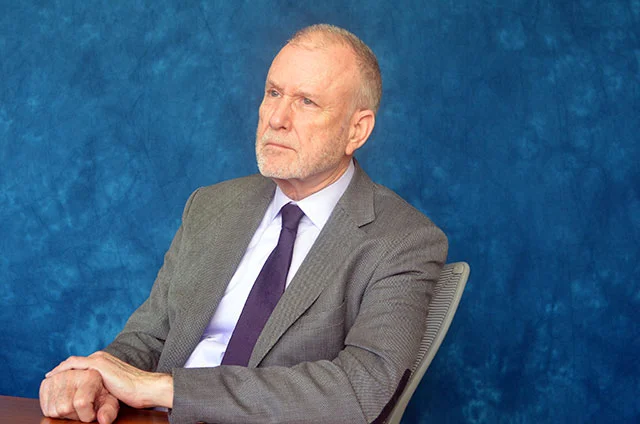
0Shinobu Kitayama is a Japanese social psychologist and the Robert B. Zajonc Collegiate Professor of Psychology at the University of Michigan, where he also directs the Culture & Cognition Program[reference:0][reference:1]. Born in Shizuoka, Japan, he earned his B.A. and M.A. from Kyoto University and his Ph.D. from the University of Michigan[reference:2][reference:3]. A pioneering figure in cultural psychology, Kitayama is renowned for his research on how culture shapes cognition, emotion, and motivation[reference:4][reference:5]. He is best known for his influential theory of independent versus interdependent self-construal, developed with Hazel Rose Markus, which has become a cornerstone in understanding Western and East Asian psychological differences[reference:6].



Key Insights
- ✦
What is Shinobu Kitayama known for?
Shinobu Kitayama is best known for his pioneering work in cultural psychology, particularly his theory on independent and interdependent self-construal[reference:7]. Developed with Hazel Rose Markus, this framework posits that Western cultures foster an independent self-view emphasizing autonomy, while East Asian cultures promote an interdependent self-view focused on social harmony and relational obligations[reference:8]. His research has fundamentally shaped the understanding of how cultural contexts influence cognitive, emotional, and motivational processes[reference:9].
- ✦
What is the independent and interdependent self-construal theory?
This influential theory, developed by Shinobu Kitayama and Hazel Rose Markus, explains how cultural contexts shape the fundamental nature of the self[reference:10]. It argues that in Western, individualistic societies, people develop an independent self-construal, where personal goals, preferences, and internal attributes are paramount[reference:11]. In contrast, East Asian, collectivistic cultures foster an interdependent self-construal, where the self is defined by social relationships, group harmony, and contextual roles[reference:12][reference:13]. This core difference impacts a wide range of psychological functions, from emotional expression to cognitive style[reference:14].
- ✦
Where does Shinobu Kitayama work?
Shinobu Kitayama is the Robert B. Zajonc Collegiate Professor of Psychology at the University of Michigan[reference:15]. He also serves as the Director of the Culture & Cognition Program and is a Research Professor at the Research Center for Group Dynamics within the university's Institute for Social Research[reference:16][reference:17]. He has been a faculty member at the University of Michigan since 2003[reference:18].
- ✦
What are Shinobu Kitayama's main research interests?
Kitayama's research investigates the profound role of culture in modifying and shaping psychological processes[reference:19]. His primary interests include cultural differences in self and identity, emotion, cognition, motivation, and social judgment[reference:20]. He conducts comparative studies, often focusing on people from East Asian countries like Japan, the Philippines, and China versus Americans, to explore how cultural environments influence basic mental functions[reference:21]. His work extends to the neuroscience of cultural differences and implicit attitudes[reference:22].
- ✦
What is the birthday-number effect discovered by Shinobu Kitayama?
Together with Mayumi Karasawa, Shinobu Kitayama discovered the birthday-number effect[reference:23]. This phenomenon describes the subconscious tendency for people to prefer numbers that appear in their own birth date over other numbers[reference:24][reference:25]. For example, a person born on the 9th of March might show an implicit preference for the number '9'. This finding highlights how even seemingly arbitrary personal experiences, like one's birthday, can subtly influence our preferences and judgments[reference:26].
- ✦
What are some of Shinobu Kitayama's key publications?
Shinobu Kitayama has authored and edited numerous influential works. He is the co-editor of the 'Handbook of Cultural Psychology', a foundational text in the field[reference:27]. His extensive list of publications includes articles in top journals like the 'American Psychologist' and the 'Journal of Personality and Social Psychology'[reference:28][reference:29]. He has also published significant research on topics such as the relationship between culture and health, cognitive style, and social cognition[reference:30].
- ✦
How has Shinobu Kitayama influenced the field of psychology?
Shinobu Kitayama is considered a leading figure who has profoundly shaped the field of cultural psychology[reference:31]. His theoretical framework of independent and interdependent self-construal is one of the most widely cited and influential concepts in the discipline[reference:32]. By demonstrating how culture 'gets under the skin' to affect basic psychological processes, he has challenged the notion of a universal human mind and has been instrumental in establishing cultural psychology as a major, rigorous scientific field[reference:33][reference:34].