



Abraham Wandersman
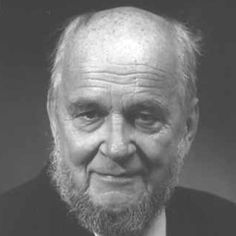
0Abraham Wandersman is a distinguished American community psychologist and Professor Emeritus at the University of South Carolina. Born in New York City, he earned his Ph.D. in psychology from Cornell University. He is renowned for his groundbreaking work on citizen participation, empowerment, prevention science, and program evaluation. Wandersman has been a leading figure in the development of empowerment evaluation and community-based participatory research, demonstrating how to effectively involve community members in program evaluation and social change. His research has significantly advanced the understanding of how to design, implement, and sustain effective community interventions, making him a highly influential scholar in the field.

Key Insights
- ✦
What is Abraham Wandersman best known for?
Abraham Wandersman is best known for his pioneering work on empowerment evaluation and citizen participation in community psychology. He developed the empowerment evaluation framework, which emphasizes involving community members and program participants in the evaluation process to build their capacity and promote ownership of programs. His research has also focused extensively on understanding and promoting citizen participation in community organizations, prevention programs, and environmental initiatives. His work has had a profound impact on how community programs are designed, implemented, and evaluated.
- ✦
What is empowerment evaluation?
Empowerment evaluation, as developed by Abraham Wandersman and colleagues, is an evaluation approach designed to help communities and organizations improve their programs and achieve their own goals. It is grounded in the principles of self-determination and capacity building, involving stakeholders in all stages of the evaluation process. Participants are trained to collect and analyze data, identify strengths and weaknesses, and develop action plans. This approach shifts the evaluator from an external expert to a facilitator who helps communities build their own evaluation skills, thereby promoting long-term sustainability and empowerment.
- ✦
What is citizen participation in the context of Wandersman's work?
Citizen participation is a central theme in Abraham Wandersman's research. He defines it as the active involvement of individuals in the decision-making processes and activities of organizations and communities that affect their lives. He has studied the psychological and social determinants of participation, identifying factors that encourage or discourage community members from getting involved. His research has shown that meaningful participation leads to a range of positive outcomes, including increased community capacity, improved program effectiveness, and enhanced psychological well-being for participants, making it a key strategy for community development and social change.
- ✦
What are Abraham Wandersman's key publications?
Abraham Wandersman has authored and co-authored numerous influential publications. He is the co-author of 'Empowerment Evaluation: Principles and Practice' (2002) and the co-editor of the 'Handbook of Community Psychology' (2000), both seminal texts in the field. He has also published extensively in leading psychology and public health journals on topics such as citizen participation, prevention science, and program evaluation. His work has been instrumental in shaping the theoretical and practical foundations of community psychology and prevention research.
- ✦
Where does Abraham Wandersman work?
Abraham Wandersman is Professor Emeritus in the Department of Psychology at the University of South Carolina. He joined the faculty at USC in 1978 and served as the director of the Community Psychology PhD program for many years. He also held a joint appointment as a Professor in the School of Public Health. His work has been supported by major grants from federal agencies, including the National Institute of Mental Health and the Centers for Disease Control and Prevention, and he has been a key figure in establishing the University of South Carolina as a leading center for community psychology research and training.
- ✦
What is the relationship between Abraham Wandersman and the Society for Community Research and Action?
Abraham Wandersman has been a highly influential and active member of the Society for Community Research and Action (SCRA), the primary professional organization for community psychologists. He has served in numerous leadership roles, including as President of the organization. His contributions to the SCRA have been recognized through several prestigious awards, including the SCRA's Distinguished Contribution to Theory and Research Award. His work has helped to shape the society's priorities and has advanced the field's commitment to participatory, action-oriented research.
- ✦
What is the ecological perspective in community psychology according to Wandersman?
Abraham Wandersman's work is grounded in an ecological perspective, which emphasizes the importance of understanding individuals in the context of multiple interacting systems, including families, peer groups, organizations, and communities. He argues that to understand and address complex social problems, such as substance abuse, violence, or mental illness, interventions must target not only individuals but also the social and environmental factors that contribute to these problems. This perspective underscores the need for multi-level, community-based approaches that change systems and environments to support health and well-being.