



Antonio R. Damasio
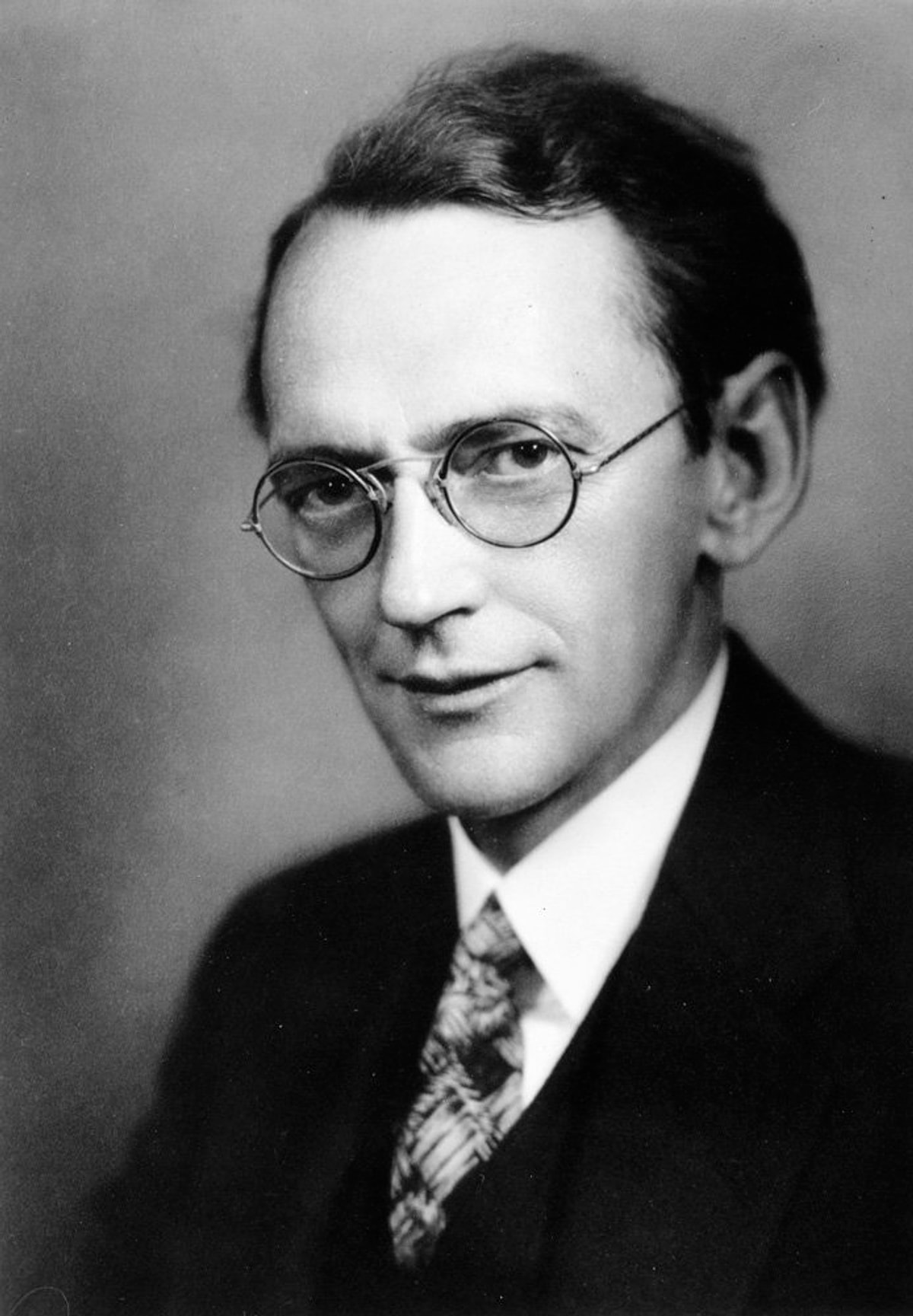
0Antonio R. Damasio (born 1944) is a Portuguese neuroscientist and neurologist whose groundbreaking research has fundamentally reshaped our understanding of the relationship between emotion, reason, and consciousness. He is the Dornsife Professor of Neuroscience, Psychology, and Philosophy at the University of Southern California and Director of the Brain and Creativity Institute[reference:0][reference:1]. He challenged the classic Cartesian division between mind and body, demonstrating through his seminal work that emotions are not a hindrance to rationality but are, in fact, essential for effective decision-making, social behavior, and the construction of the self[reference:2]. His influential books, including the landmark 'Descartes' Error' (1994), 'The Feeling of What Happens' (1999), and 'Self Comes to Mind' (2010), have made complex neuroscientific concepts accessible to a global audience[reference:3]. A member of the National Academy of Medicine and a fellow of the American Academy of Arts and Sciences, he has received numerous prestigious awards, including the Prince of Asturias Prize and the Grawemeyer Award[reference:4][reference:5].




Key Insights
- ✦
What is Antonio Damasio best known for?
Antonio Damasio is best known for his groundbreaking research demonstrating the critical role of emotion in rational decision-making and consciousness. He famously challenged the Cartesian view of a strict mind-body separation, showing that feelings and bodily states are essential for effective reasoning and social behavior[reference:6]. He is also a highly influential author, with his book 'Descartes' Error' being a seminal text in neuroscience and psychology.
- ✦
What is the main argument of Damasio's book 'Descartes' Error'?
In his landmark 1994 book 'Descartes' Error', Damasio argues that reason and emotion are not separate and opposing faculties, but are deeply intertwined. He presents evidence from patients with brain damage that shows the absence of emotion leads to poor decision-making[reference:7]. The book posits that the mind cannot be understood as a purely rational entity, divorced from the body, and that feelings are a critical component of our cognitive and social lives.
- ✦
What is the Somatic Marker Hypothesis?
The Somatic Marker Hypothesis is a core concept in Damasio's work. It proposes that when we make decisions, we use bodily feelings—or somatic markers—to quickly and non-consciously evaluate the potential outcomes of our choices. These markers are signals from the body (often experienced as gut feelings or emotions) that guide us toward beneficial options and away from harmful ones, providing a crucial shortcut for efficient, adaptive decision-making.
- ✦
What are some of Antonio Damasio's major books?
Antonio Damasio has authored several influential and highly acclaimed books. His most famous work is 'Descartes' Error: Emotion, Reason, and the Human Brain' (1994)[reference:8]. He also wrote 'The Feeling of What Happens: Body and Emotion in the Making of Consciousness' (1999), 'Looking for Spinoza: Joy, Sorrow, and the Feeling Brain' (2003), 'Self Comes to Mind: Constructing the Conscious Brain' (2010), 'The Strange Order of Things' (2018), and 'Feeling & Knowing' (2021)[reference:9]. Many of his books have become international bestsellers.
- ✦
What awards has Antonio Damasio won?
Damasio has received numerous prestigious awards for his scientific contributions. His honors include the Pessoa Prize (1992), the Golden Brain Award (1995), the Prince of Asturias Prize in Science and Technology (2005), the Honda Prize (2010), the Grawemeyer Award in Psychology (2014), and the Paul D. MacLean Award (2019)[reference:10][reference:11]. He is also a member of the National Academy of Medicine and a fellow of the American Academy of Arts and Sciences[reference:12].
- ✦
Where did Antonio Damasio study and work?
Antonio Damasio was born in Lisbon, Portugal, where he studied medicine at the University of Lisbon, receiving his M.D. in 1969 and his Ph.D. in 1974[reference:13][reference:14]. After a formative year at the Aphasia Research Center in Boston, he moved to the United States[reference:15]. He served as the head of neurology at the University of Iowa for 20 years[reference:16]. In 2005, he joined the University of Southern California, where he is currently the Dornsife Professor of Neuroscience, Psychology, and Philosophy and Director of the Brain and Creativity Institute[reference:17][reference:18].
- ✦
What is Damasio's theory of consciousness?
Damasio's theory of consciousness, elaborated in books like 'The Feeling of What Happens' and 'Self Comes to Mind', posits that consciousness is not a single, monolithic process but is built from a foundational 'core consciousness' and a more elaborate 'extended consciousness'[reference:19]. He argues that consciousness emerges from the interaction between the brain, the body, and the environment. It begins with a primitive 'proto-self'—a collection of neural maps that represent the body's internal state—which gives rise to feelings and a sense of self.
- ✦
Is Antonio Damasio married and who is his spouse?
Yes, Antonio Damasio is married to Hanna Damasio, a prominent neuroscientist in her own right[reference:20]. They have collaborated extensively on research throughout their careers, with Hanna's work often focusing on brain imaging and the anatomy of the brain[reference:21]. They have shared several prestigious awards, including the Signoret Prize[reference:22].