



Eric Richard Kandel
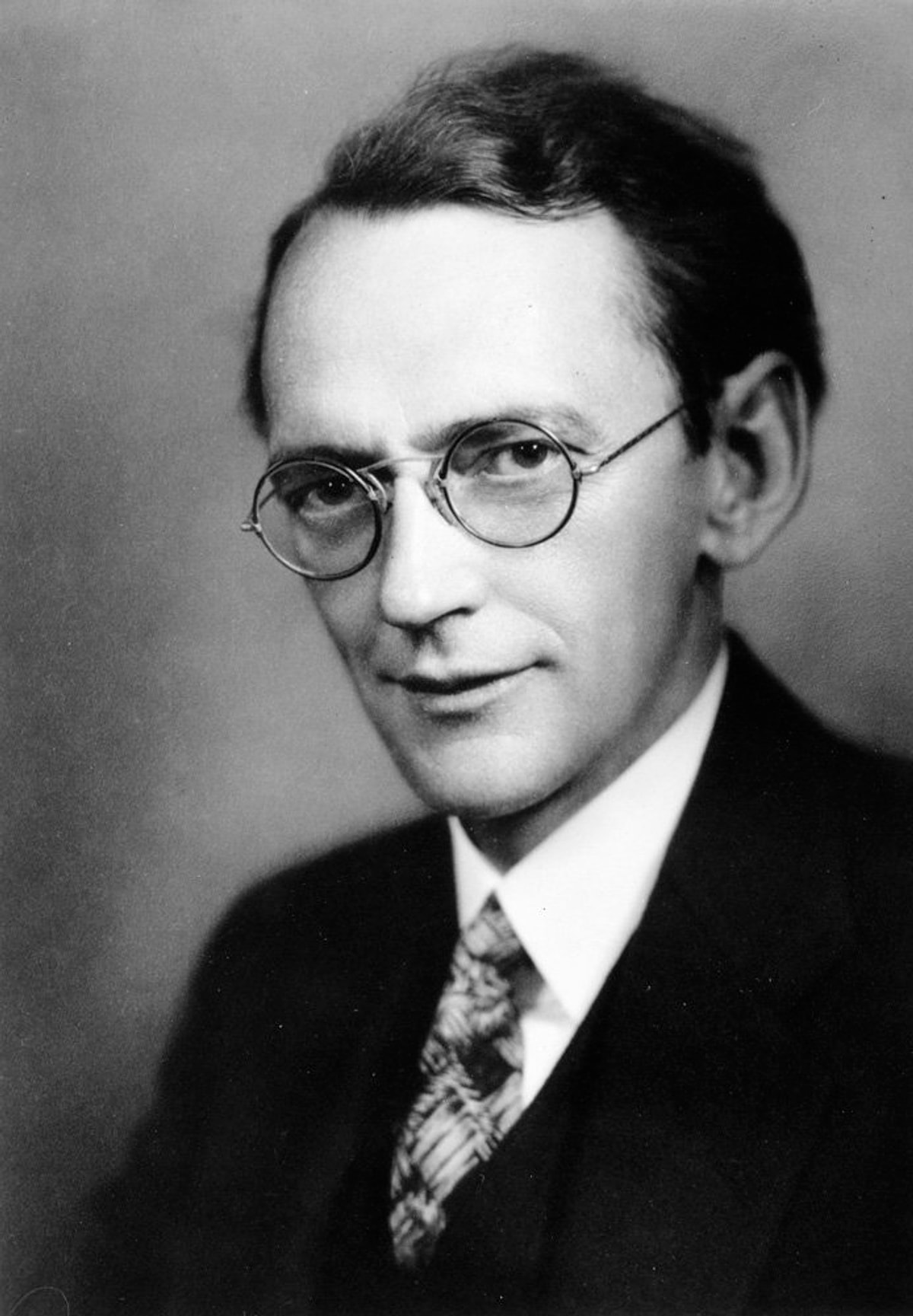
0Eric R. Kandel (1929– ) is an Austrian-born American neuropsychiatrist and neuroscientist whose pioneering research on the molecular mechanisms of memory storage revolutionized the field of neuropsychology. He discovered that learning and memory are encoded by changes in the structure and function of synapses, using the marine snail Aplysia as a simple model system. For this work, he was awarded the 2000 Nobel Prize in Physiology or Medicine, shared with Arvid Carlsson and Paul Greengard. A University Professor Emeritus at Columbia University and a senior investigator at the Howard Hughes Medical Institute, Kandel has also bridged neuroscience with psychoanalysis and the arts through his influential writings, including 'In Search of Memory' (2006).




Key Insights
- ✦
What is Eric Kandel best known for?
Eric Kandel is best known for his pioneering research on the molecular and cellular mechanisms of memory storage. He demonstrated that learning and memory are encoded by changes in the strength and structure of synapses—the connections between neurons. Using the marine snail Aplysia as a model, he identified the biochemical pathways involved in short-term and long-term memory. For these discoveries, he was awarded the 2000 Nobel Prize in Physiology or Medicine. He is also a prominent author and public intellectual, known for integrating neuroscience with psychoanalysis and the arts.
- ✦
What did Eric Kandel win the Nobel Prize for?
Eric Kandel was awarded the 2000 Nobel Prize in Physiology or Medicine jointly with Arvid Carlsson and Paul Greengard for their discoveries concerning 'signal transduction in the nervous system.' Kandel's specific contribution was his elucidation of the molecular mechanisms underlying learning and memory. He showed that short-term memory involves transient changes in synaptic function, while long-term memory requires the growth of new synaptic connections and the activation of gene expression[reference:0][reference:1].
- ✦
What is the significance of Kandel's research on the sea slug Aplysia?
Kandel chose the marine snail Aplysia because of its simple nervous system with large, easily identifiable neurons. By studying its defensive gill-withdrawal reflex, he was able to trace the cellular and molecular changes that occur during learning. He discovered that learning—such as habituation, sensitization, and classical conditioning—is accompanied by specific changes in synaptic strength. His work established that the same basic molecular principles of memory storage apply across species, from mollusks to mammals, providing a universal framework for understanding how memories are formed and stored[reference:2].
- ✦
What are some of Eric Kandel's most influential books?
Kandel has written several highly influential books. His autobiography, 'In Search of Memory: The Emergence of a New Science of Mind' (2006), won the Los Angeles Times Book Prize for Science and Technology. His other notable works include 'The Age of Insight: The Quest to Understand the Unconscious in Art, Mind, and Brain, from Vienna 1900 to the Present' (2012), and 'The Disordered Mind: What Unusual Brains Tell Us About Ourselves' (2018). He is also the co-editor of the authoritative textbook 'Principles of Neural Science', a standard reference in the field[reference:3][reference:4].
- ✦
What is Kandel's contribution to the integration of neuroscience and psychoanalysis?
Kandel has been a leading voice in bridging the gap between neuroscience and psychoanalysis. He argued that psychoanalysis, with its focus on unconscious processes and early experience, could be enriched by a biological understanding of the brain. He proposed that psychotherapy works by inducing structural changes in the brain at the synaptic level, much like learning does. His work has inspired a new generation of researchers to explore the neural underpinnings of psychiatric disorders and psychotherapeutic interventions[reference:5][reference:6].
- ✦
Where did Eric Kandel study and work?
Eric Kandel was born in Vienna and emigrated to the United States in 1939. He earned his undergraduate degree in history and literature from Harvard University. He received his M.D. from New York University School of Medicine in 1956 and completed his psychiatric training at Massachusetts General Hospital. After research positions at the National Institutes of Health and Harvard, he joined the faculty at New York University (1965–1974). In 1974, he moved to Columbia University, where he has remained, serving as a University Professor and director of the Center for Neurobiology and Behavior[reference:7][reference:8].
- ✦
What awards and honors has Eric Kandel received?
In addition to the 2000 Nobel Prize in Physiology or Medicine, Kandel has received numerous prestigious awards, including the National Medal of Science (2006), the Wolf Prize in Medicine (1999), the Gairdner International Award (1988), the Albert Lasker Basic Medical Research Award (1983), and the Harvey Prize. He is a member of the U.S. National Academy of Sciences, a Fellow of the Royal Society of London, and a Senior Investigator at the Howard Hughes Medical Institute. He has also been awarded over 24 honorary degrees[reference:9][reference:10].
- ✦
How did Kandel's childhood in Vienna influence his career?
Kandel's childhood in Vienna during the rise of Nazism profoundly shaped his intellectual trajectory. Witnessing the transformation of neighbors into hateful anti-Semites left him with a deep curiosity about human behavior and the origins of evil. This led him initially to study history and literature at Harvard, and later to pursue psychiatry and psychoanalysis. He hoped to understand the biological basis of mind and behavior, eventually focusing on the neural mechanisms of memory and learning. This personal history is a central theme in his autobiography, 'In Search of Memory'[reference:11].