



Oliver Wolf Sacks
0Oliver Sacks (1933–2015) was a British-American neurologist, naturalist, and author who became one of the most beloved and influential medical writers of the 20th century. A professor of neurology at NYU, he transformed the case history into an art form, using compassionate, narrative-driven accounts to illuminate the lives of patients with unusual neurological disorders[reference:0][reference:1][reference:2]. His works—including 'Awakenings' (1973), 'The Man Who Mistook His Wife for a Hat' (1985), and 'Musicophilia' (2007)—bridged clinical neurology and the humanities, exploring the profound depths of human consciousness, perception, and identity. Sacks's empathetic approach and his ability to make complex neurological conditions accessible to a broad audience have left an enduring legacy in both medicine and literature.


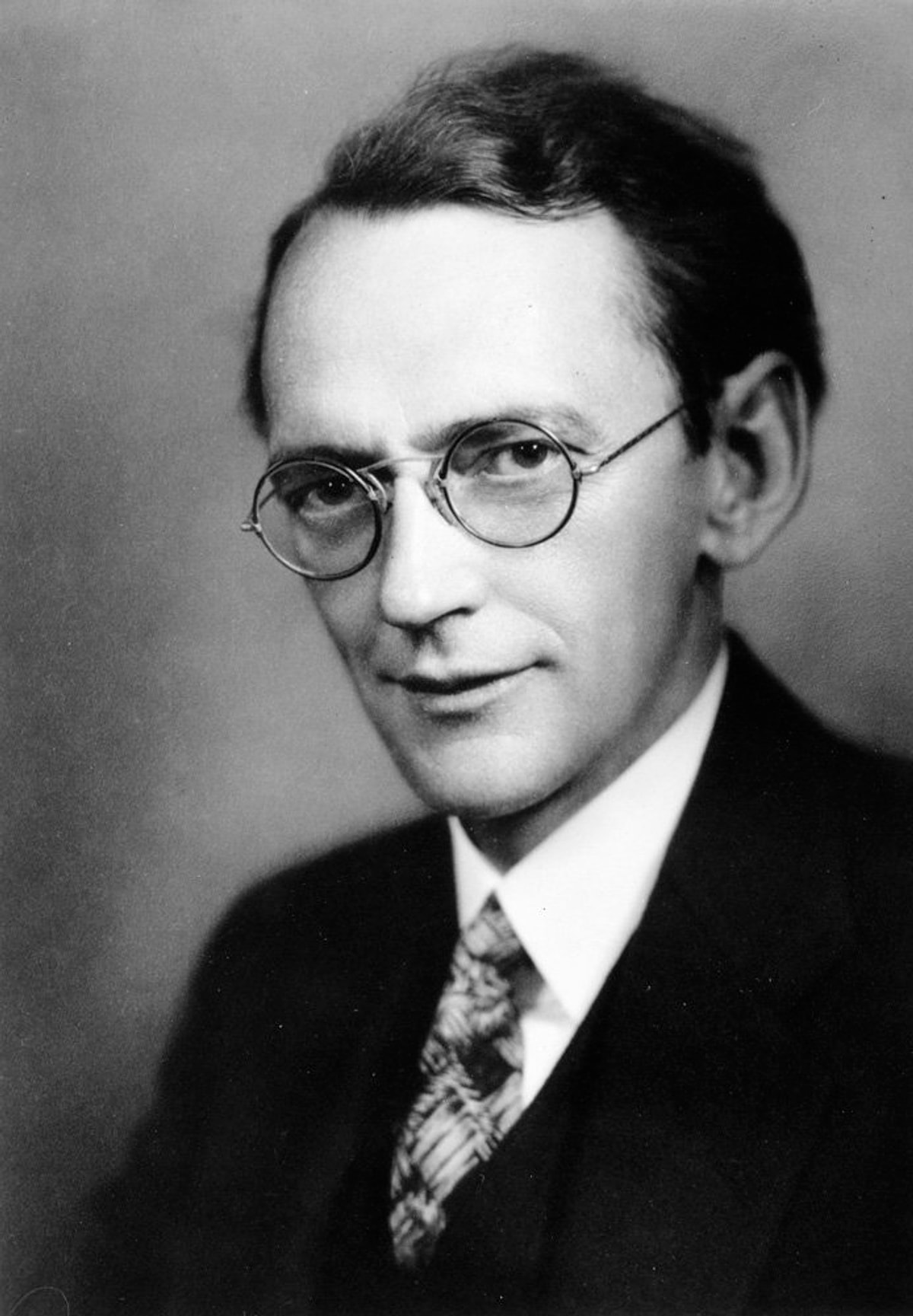


Key Insights
- ✦
Who was Oliver Sacks?
Oliver Wolf Sacks (1933–2015) was a British-American neurologist, naturalist, and author renowned for his compassionate and eloquent case histories of patients with unusual neurological disorders[reference:3]. He was a professor of neurology at New York University and used narrative storytelling to explore the complex relationship between the brain, mind, and identity, making neurology accessible and deeply human for millions of readers[reference:4][reference:5].
- ✦
What was Oliver Sacks best known for?
Oliver Sacks is best known for his books of clinical case histories, including 'Awakenings' (1973), which was adapted into an Oscar-nominated film, and 'The Man Who Mistook His Wife for a Hat' (1985)[reference:6][reference:7]. He also wrote 'Musicophilia', 'An Anthropologist on Mars', and two memoirs, 'Uncle Tungsten' and 'On the Move'[reference:8]. He brought neurological conditions like Tourette syndrome and synesthesia into public consciousness[reference:9].
- ✦
What is 'The Man Who Mistook His Wife for a Hat' about?
Published in 1985, this is one of Sacks's most famous works. It is a collection of clinical tales describing patients with extraordinary neurological conditions[reference:10]. The title story features a man with visual agnosia who could not recognize faces or objects, famously mistaking his wife's head for his hat[reference:11]. The book is celebrated for its profound empathy, showing the humanity and struggles of individuals living with neurological disorders[reference:12].
- ✦
What was Oliver Sacks's educational background?
Oliver Sacks was born in London in 1933 and earned his medical degree from Queen's College, Oxford[reference:13][reference:14][reference:15]. He moved to the United States in the early 1960s, completing an internship at UCSF and a residency in neurology at UCLA[reference:16][reference:17]. He lived in New York from 1965 and held a professorship in neurology at NYU School of Medicine[reference:18][reference:19].
- ✦
What is the significance of the book 'Awakenings'?
Sacks's first major book, 'Awakenings' (1973), recounts the story of post-encephalitic patients who had been frozen in a catatonic state for decades and were briefly revived by the experimental drug L-dopa[reference:20][reference:21]. The book is a profound exploration of identity, consciousness, and the fragile line between illness and health. It was later adapted into a critically acclaimed film starring Robin Williams and Robert De Niro[reference:22].
- ✦
What was Oliver Sacks's writing style?
Sacks's signature style blended rigorous clinical observation with narrative empathy, exploring neurological conditions not as abstract case studies but as deeply personal human experiences[reference:23]. He wrote with warmth, curiosity, and profound respect for his patients, making complex brain science accessible and moving. His work has been described as bridging the gap between neurology and the humanities[reference:24].
- ✦
What awards and honors did Oliver Sacks receive?
Oliver Sacks received numerous awards and honors, including the Lewis Thomas Prize for Writing about Science, the George Polk Award, and the Guggenheim Fellowship. He was also made a Commander of the Order of the British Empire (CBE) for his services to literature and medicine. His books have been translated into more than 25 languages and have inspired a wide range of adaptations in film, theater, and music.
- ✦
How did Oliver Sacks die?
Oliver Sacks was diagnosed with terminal uveal melanoma and liver cancer in January 2015[reference:25]. He passed away on August 30, 2015, at his home in New York City at the age of 82[reference:26][reference:27]. In his final essays, collected in the book 'Gratitude', he reflected on life, death, and his profound appreciation for the experiences and relationships that had shaped him.
- ✦
What is Oliver Sacks's legacy?
Oliver Sacks's legacy is that of a compassionate storyteller who humanized neurology. He showed that behind every diagnosis is a person with a unique inner world. His work inspired a generation of doctors, writers, and scientists to approach neurological conditions with empathy and curiosity[reference:28]. The Oliver Sacks Foundation continues his mission of supporting research, education, and writing at the intersection of science and the humanities.