



Lewis Terman
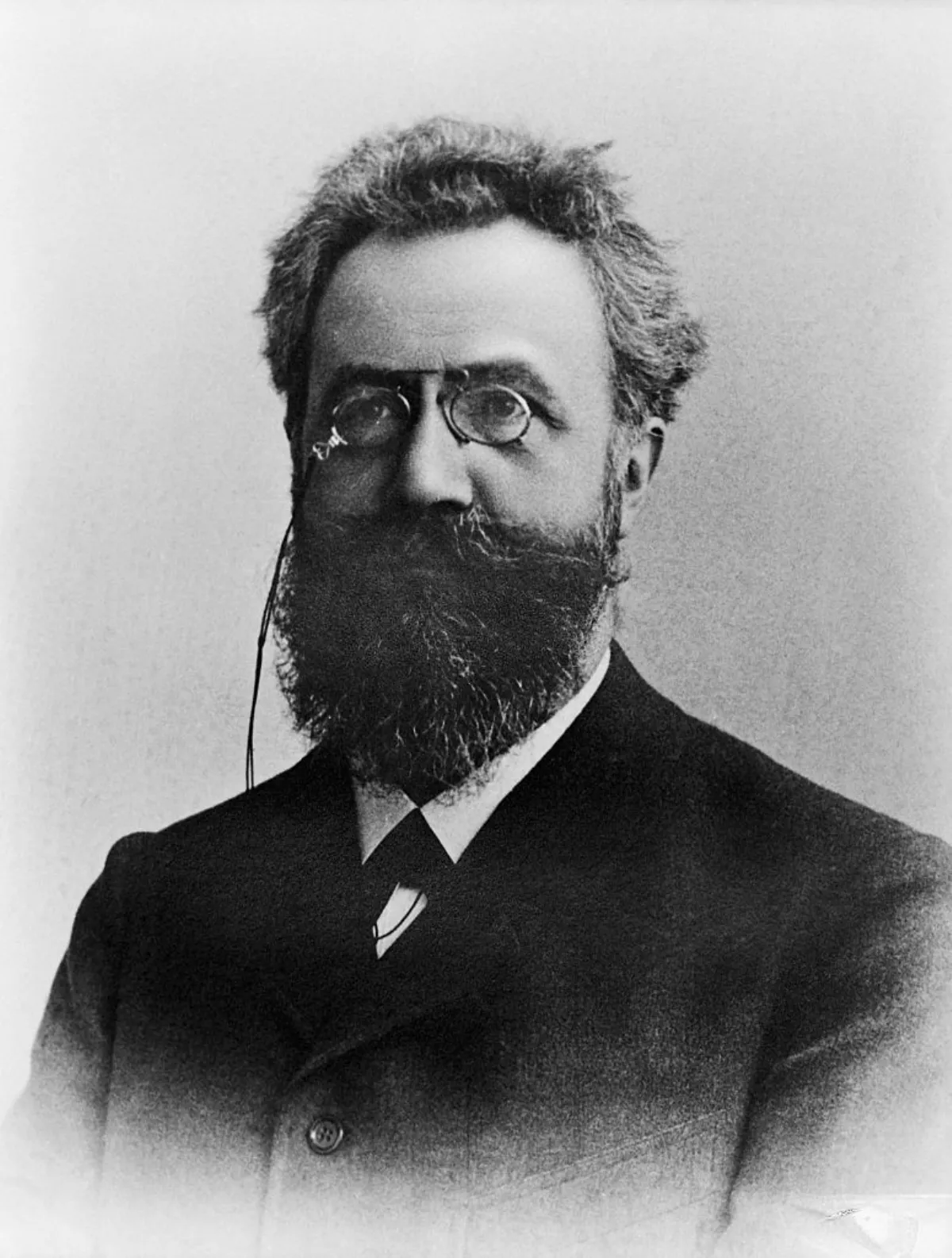
0Lewis Terman was an American psychologist and a towering figure in psychometrics, best known for revising the Binet-Simon scale into the Stanford-Binet Intelligence Scales, which introduced the intelligence quotient (IQ) as a standard score. He popularized IQ testing in the United States, influencing educational placement and occupational selection. Terman also initiated the landmark Genetic Studies of Genius, a longitudinal study of gifted children, known as the 'Termites,' that followed their development into adulthood. He was a professor at Stanford University and a prominent eugenicist, advocating for mental testing to guide social policy. His work significantly shaped educational psychology and the measurement of human abilities, though his eugenic views remain controversial. Terman's legacy endures in modern intelligence research and testing practices.


Key Insights
- ✦
What is Lewis Terman best known for?
Lewis Terman is best known for his revision of the Binet-Simon intelligence test into the Stanford-Binet Intelligence Scales, which introduced the IQ (intelligence quotient) as a standard score. This test became the most widely used intelligence test in the United States for decades. He also conducted the influential Genetic Studies of Genius, a longitudinal study that tracked the lives of high-IQ children, known as the 'Termites,' from childhood into adulthood, challenging stereotypes about gifted individuals and providing rich data on their development, achievements, and well-being. His work cemented IQ testing as a central tool in educational and clinical psychology.
- ✦
How did Terman contribute to the Stanford-Binet test?
Lewis Terman adapted and standardized the French Binet-Simon scale for American populations, publishing the Stanford-Binet in 1916. He expanded the test's age range and added new items, standardizing administration and scoring. Most importantly, Terman adopted William Stern's concept of the intelligence quotient (IQ) and converted it into a single score by dividing mental age by chronological age and multiplying by 100. He also provided detailed normative data based on a large, representative sample of American children. The Stanford-Binet became the gold standard for individual intelligence testing and was used widely in schools, clinics, and the military during World War I.
- ✦
What were the Genetic Studies of Genius?
The Genetic Studies of Genius, initiated by Lewis Terman in 1921, was a pioneering longitudinal study that followed over 1,500 children with IQ scores of 140 or above—the 'Termites'—throughout their lives. Terman aimed to investigate the physical, mental, and personality characteristics of highly gifted individuals and to dispel common myths that gifted children were 'weak' or maladjusted. The study collected extensive data on health, education, career, and social outcomes, continuing for decades after Terman's death. It revealed that gifted individuals generally led successful, healthy lives, achieving higher educational and occupational status than the general population, though they were not uniformly exceptional in creative eminence.
- ✦
What was Terman's view on intelligence and eugenics?
Terman believed that intelligence was largely hereditary and advocated for eugenic policies, including restrictive immigration, sterilization of those with low IQ scores, and educational tracking based on test results. He saw IQ testing as a scientific tool to identify the intellectually fit and prevent the 'degeneration' of society. These views are now considered ethically problematic, as they ignored environmental factors and justified discrimination. Terman's eugenic ideology is a dark aspect of his legacy, though it was not uncommon among early psychologists. Modern scholars critique this while still acknowledging his methodological contributions to psychometrics and the study of giftedness.
- ✦
How did Terman influence education and military testing?
Terman's work had a profound impact on education by promoting ability grouping and individualized instruction based on IQ scores. He advocated for special education for children with intellectual disabilities and enrichment for gifted children. During World War I, Terman served on the committee that developed the Army Alpha and Beta tests, the first large-scale group intelligence tests used for soldier classification and assignment. This demonstrated the practical utility of mental testing and accelerated the adoption of standardized tests in schools, colleges, and industry. His influence helped establish psychometrics as a legitimate applied discipline within psychology.
- ✦
What are the criticisms of Terman's intelligence testing?
Criticisms of Terman's intelligence testing include concerns about cultural and socioeconomic bias, as test items often reflected the knowledge and values of white, middle-class Americans, disadvantaging minority and immigrant groups. His tests were used to justify racist and eugenic policies, contributing to social inequality. Additionally, Terman's assumption that IQ was stable and predominantly genetic has been challenged by later research showing environmental effects, such as education, nutrition, and social context, can significantly influence cognitive performance. The Stanford-Binet test itself has been revised multiple times to address fairness and validity issues, but the historical misuse of his tests remains a point of ethical concern.
- ✦
Did Terman's gifted children study show that high IQ predicts success?
Terman's Genetic Studies of Genius found that his high-IQ participants, as a group, achieved high educational attainment, occupational status, and income compared to the general population. They also had lower rates of delinquency and mental illness. However, the study did not produce any Nobel laureates or highly creative geniuses, indicating that high IQ alone does not guarantee extraordinary achievement. Terman's data also showed that social and personality factors, such as motivation and family background, were important moderators. Thus, while IQ predicted average success, it was not a sole determinant, highlighting the complexity of human achievement.
- ✦
What is the significance of Terman's term 'IQ'?
Terman popularized the term 'intelligence quotient' (IQ) in his Stanford-Binet test, using it to express a child's mental age relative to chronological age. Though the concept was originally proposed by William Stern, Terman's adoption and widespread dissemination of the IQ metric made it a household term and a standard in psychological assessment. The IQ score provided a convenient, single number for ranking individuals, which appealed to educators, employers, and the military. However, Terman's emphasis on IQ as a fixed, inherited trait has been criticized. Today, IQ is understood as one measure among many, and modern tests have largely replaced the quotient with deviation IQ scores based on standard deviations from the age-group mean.