



Counseling Psychology
Counseling psychology is a specialized branch of psychology that focuses on promoting personal and interpersonal well-being across the lifespan, addressing emotional, social, vocational, and developmental concerns. It emphasizes human strengths, adaptive coping, and empowerment, working with individuals, couples, families, and groups in diverse settings. Unlike clinical psychology, which often focuses on severe psychopathology, counseling psychology adopts a strengths-based, person-centered approach, integrating developmental and multicultural perspectives to address issues such as career transitions, relationship difficulties, and mild to moderate mental health conditions. Practitioners employ evidence-based therapeutic interventions, including cognitive-behavioral, humanistic, and systemic therapies, to enhance resilience, facilitate growth, and improve quality of life.
Authors & Thinkers of Counseling Psychology

Frequently Asked Questions About Counseling Psychology
What is counseling psychology?
Counseling psychology is a professional field that applies psychological principles, theory, and research to address a wide range of personal, social, vocational, and developmental challenges across the lifespan. It focuses on enhancing well-being, improving coping skills, and promoting healthy adjustment. Counseling psychologists work with clients to explore their strengths, navigate life transitions, manage stress, and improve relationships. Unlike clinical psychology, which emphasizes severe mental illness, counseling psychology adopts a holistic, strengths-based perspective, integrating multicultural and social justice values to empower individuals and communities.
What is the difference between counseling psychology and clinical psychology?
While both fields provide psychotherapy and assessment, counseling psychology typically focuses on normal developmental issues, vocational concerns, and mild to moderate mental health conditions, using a strengths-based approach. Clinical psychology emphasizes the assessment and treatment of severe psychopathology, often in hospital or inpatient settings. Historically, counseling psychology has roots in vocational guidance and humanistic values, while clinical psychology has stronger ties to medical models. In practice, however, there is considerable overlap, and many practitioners integrate approaches from both fields.
What are the main theoretical approaches used in counseling psychology?
Counseling psychology integrates multiple theoretical frameworks, including person-centered therapy (Carl Rogers), cognitive-behavioral therapy (CBT), solution-focused brief therapy, existential therapy, and multicultural counseling. Each approach offers unique insights: person-centered therapy emphasizes unconditional positive regard and empathetic understanding; CBT addresses maladaptive thoughts and behaviors; solution-focused therapy builds on existing strengths; and multicultural counseling attends to cultural identity and systemic factors. Practitioners often use integrative approaches tailored to each client's unique needs, values, and circumstances.
Who was Carl Rogers and why is he important to counseling psychology?
Carl Rogers (1902–1987) is a foundational figure in counseling psychology, renowned for developing person-centered therapy, which emphasizes empathy, unconditional positive regard, and genuineness in the therapeutic relationship. His humanistic approach challenged the directive, expert-centered models of his time, affirming the client's capacity for self-understanding and growth. Rogers' work significantly influenced counseling psychology's strengths-based, client-centered ethos and contributed to the field's focus on subjective experience, self-actualization, and the importance of the therapeutic alliance.
How does counseling psychology address vocational and career development?
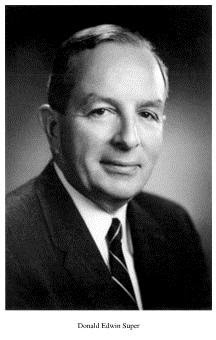
Vocational counseling is a core component of counseling psychology, addressing career exploration, decision-making, job satisfaction, and work-life balance. Practitioners use theories like Holland's typology, Super's life-span, life-space theory, and social cognitive career theory to help clients identify their interests, skills, values, and barriers to career progress. Interventions include career assessments, individual counseling, group workshops, and job placement support. This emphasis on work and career recognizes the central role of vocational identity in overall well-being and life satisfaction.
What is the role of multicultural competence in counseling psychology?
Multicultural competence is essential in counseling psychology, reflecting the field's commitment to social justice, diversity, and inclusivity. Culturally competent practitioners are aware of their own cultural biases, understand their clients' cultural backgrounds and identities, and employ interventions that respect diverse worldviews. They address systemic oppression, acculturation stress, and cultural identity conflicts, and strive to reduce mental health disparities among marginalized groups. Ongoing self-reflection, education, and advocacy are central to culturally responsive practice and help build trusting therapeutic relationships across cultural differences.
What conditions do counseling psychologists typically treat?
Counseling psychologists address a broad spectrum of concerns, including anxiety, depression, stress, relationship issues, grief, trauma, identity development, and career transitions. They work with clients experiencing mild to moderate mental health conditions, as well as those seeking personal growth and greater life satisfaction. Counseling psychologists also support individuals coping with chronic illness, life transitions, or academic and occupational challenges. They are trained to recognize when more specialized or intensive care is needed and collaborate with other healthcare professionals when appropriate.
What is the difference between a counseling psychologist and a counselor?
The terms are often used interchangeably, but there are distinctions. A counseling psychologist typically holds a doctoral degree (Ph.D. or Psy.D.) with extensive training in psychological theory, research, and assessment. They are licensed to diagnose mental health conditions and provide psychotherapy. Counselors usually hold master's degrees, such as in mental health counseling, and focus more on providing direct therapeutic services and support without comprehensive psychological assessment. Both professionals are valuable; the choice between them depends on the complexity and severity of the issues being addressed.