


Nicholas J. Spykman
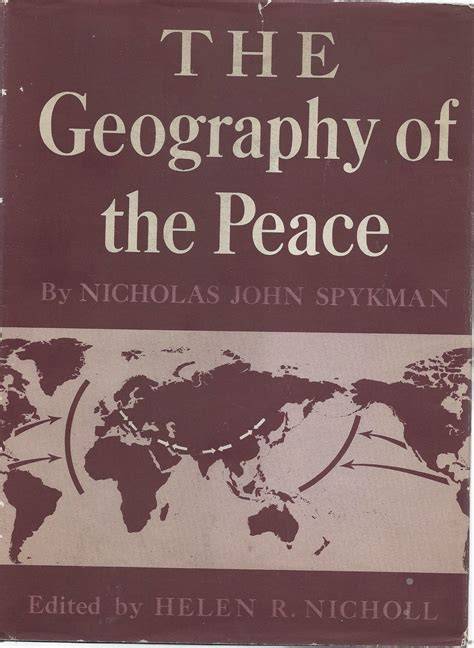
Nicholas Spykman is the geopolitical theorist who inverted Mackinder's Heartland thesis, arguing that control of the Eurasian 'rimland'—the coastal fringes from Western Europe through the Middle East and South Asia to East Asia—is the key to world power[reference:0][reference:1]. In his 1942 book *America's Strategy in World Politics*, he rejected American isolationism and advocated active intervention to maintain the global balance of power[reference:2][reference:3]. As the first director of the Yale Institute of International Studies (1935-1940) and Sterling Professor of International Relations, Spykman provided the intellectual foundation for post-WWII containment policy[reference:4][reference:5]. His posthumous work *The Geography of the Peace* (1944) cemented his reputation as the 'father of containment'[reference:6][reference:7].


✦What is Spykman's Rimland Theory and how does it differ from Mackinder's Heartland Theory?
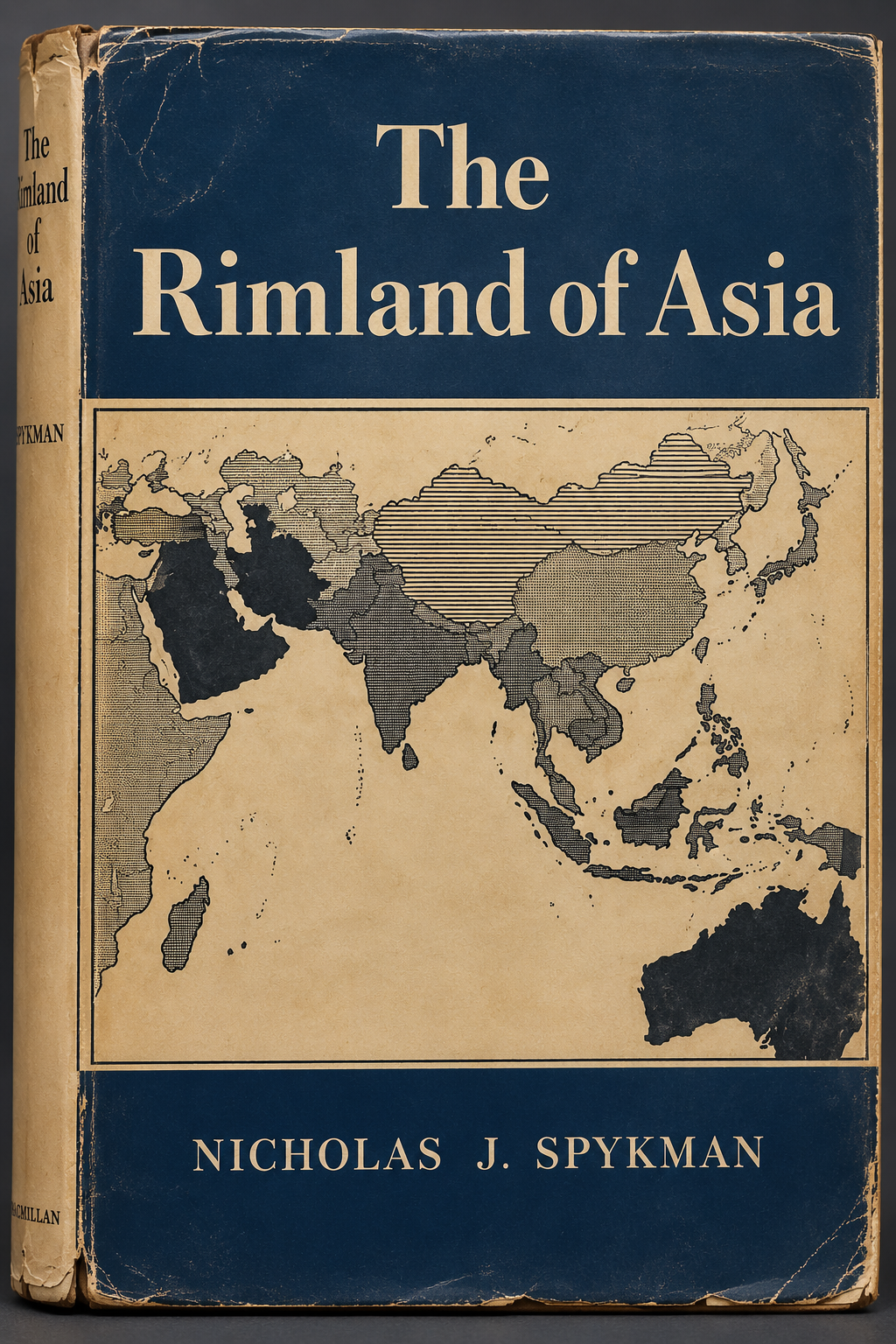
Spykman's Rimland Theory directly challenges Halford Mackinder's Heartland Theory. While Mackinder argued that control of the Eurasian 'Heartland' (Central Asia and Eastern Europe) was the key to world domination, Spykman contended that the true center of global power was the 'rimland'—the coastal fringes of Eurasia[reference:8]. He argued that these regions, rich in resources and accessible to sea power, were where the struggle between land and sea powers would be decided[reference:9][reference:10]. Spykman famously concluded: 'Who controls the rimland rules Eurasia; who rules Eurasia controls the destinies of the world'[reference:11][reference:12].
✦Why is Spykman called the 'father of containment'?
Spykman is often called the 'father of containment' because his geopolitical analysis provided the theoretical blueprint for the post-WWII U.S. strategy of containing the Soviet Union[reference:13][reference:14]. He argued that the United States could not retreat into isolationism but must actively engage in the Eurasian rimland to prevent any single power from dominating it[reference:15]. This logic directly informed the Truman Doctrine, NATO, and the network of alliances the U.S. built around the Soviet periphery, including the 'first island chain' in Asia[reference:16][reference:17].
✦What is *America's Strategy in World Politics* and why was it controversial?
Published in 1942 as the U.S. was entering WWII, *America's Strategy in World Politics* was a direct challenge to American isolationism[reference:18][reference:19]. Spykman argued from a realist geopolitical perspective that U.S. security required maintaining a global balance of power, which necessitated abandoning the tradition of avoiding 'entangling alliances'[reference:20]. The book was controversial because Spykman suggested that after the war, the U.S. might need German and Japanese power to balance the Soviet Union, a view critics found shocking[reference:21]. Despite this, the book was widely recognized as a brilliant and incisive analysis[reference:22].
✦What were Spykman's major works and professional roles?
Spykman's two major works are *America's Strategy in World Politics: The United States and the Balance of Power* (1942) and *The Geography of the Peace* (1944), published posthumously[reference:23][reference:24]. He also authored numerous influential articles, including 'Geography and Foreign Policy' (1938) and 'Geographic Objectives in Foreign Policy' (1939)[reference:25]. Professionally, he was a Professor of International Relations at Yale University from 1928 until his death, and the first director of the Yale Institute of International Studies, which he co-founded in 1935[reference:26][reference:27].
✦What is a common misconception about Spykman's work?
A common misconception is that Spykman was a crude geographic determinist who believed geography alone dictated foreign policy. In fact, Spykman was a sophisticated political realist who saw geography as a crucial but not exclusive factor[reference:28]. He emphasized the interplay between geography and power politics, arguing that while geography sets the stage, it is the struggle for power and the balance of power that ultimately determines outcomes[reference:29]. His work was firmly rooted in the classical realist tradition, which prioritizes power, national interest, and the balance of power over geographic determinism[reference:30][reference:31].
✦How has Spykman's Rimland Theory been applied in modern geopolitics?
Spykman's Rimland Theory has been highly influential in shaping U.S. grand strategy. It provided the intellectual foundation for the network of alliances and military bases that ring Eurasia, from NATO in Europe to the alliances with Japan, South Korea, and other states in Asia[reference:32]. The concept of the 'first island chain' in the Western Pacific is a direct application of his rimland thinking[reference:33]. Today, strategists continue to use his framework to analyze great power competition, particularly in the context of the South China Sea and the broader Indo-Pacific region[reference:34].