


Robert D. Kaplan
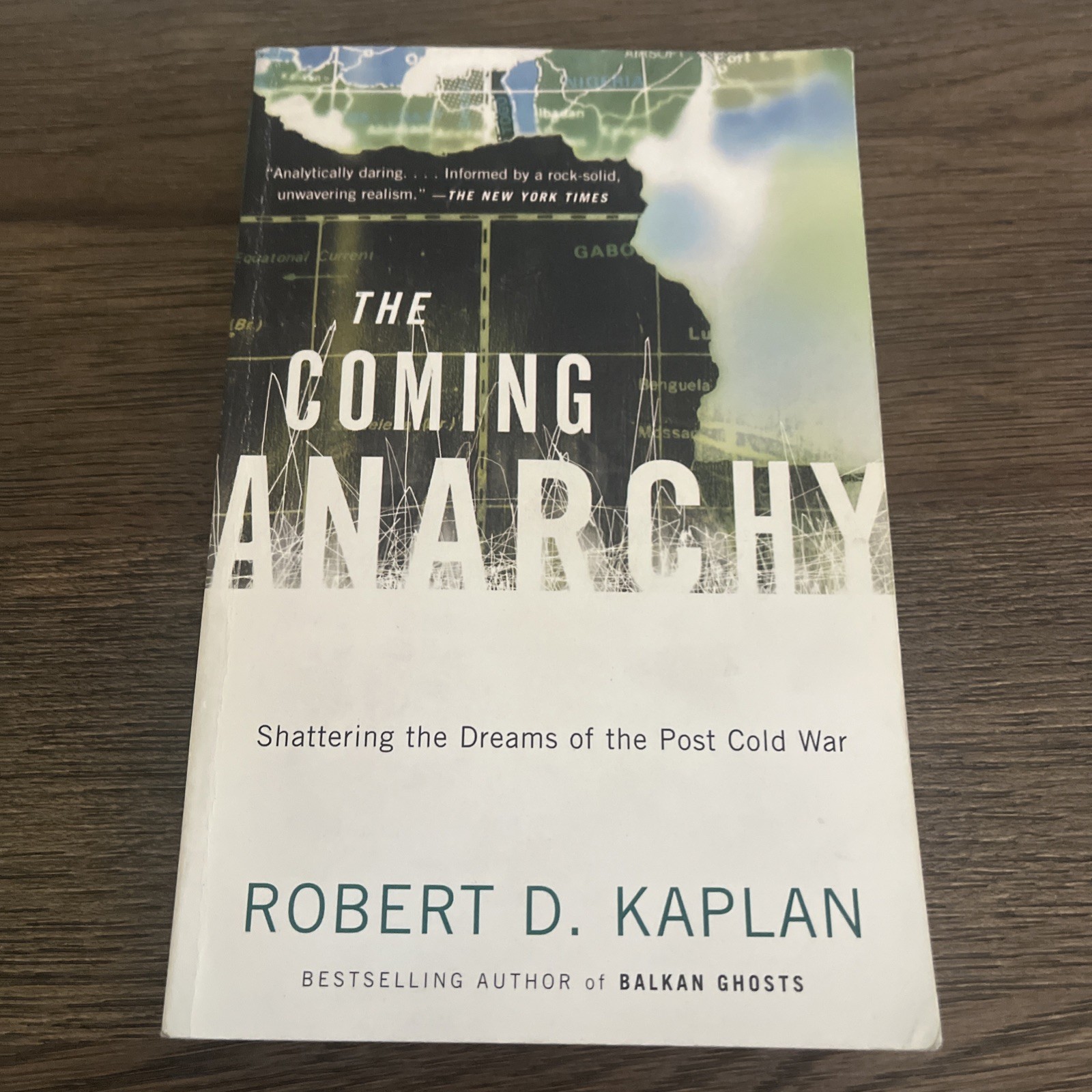
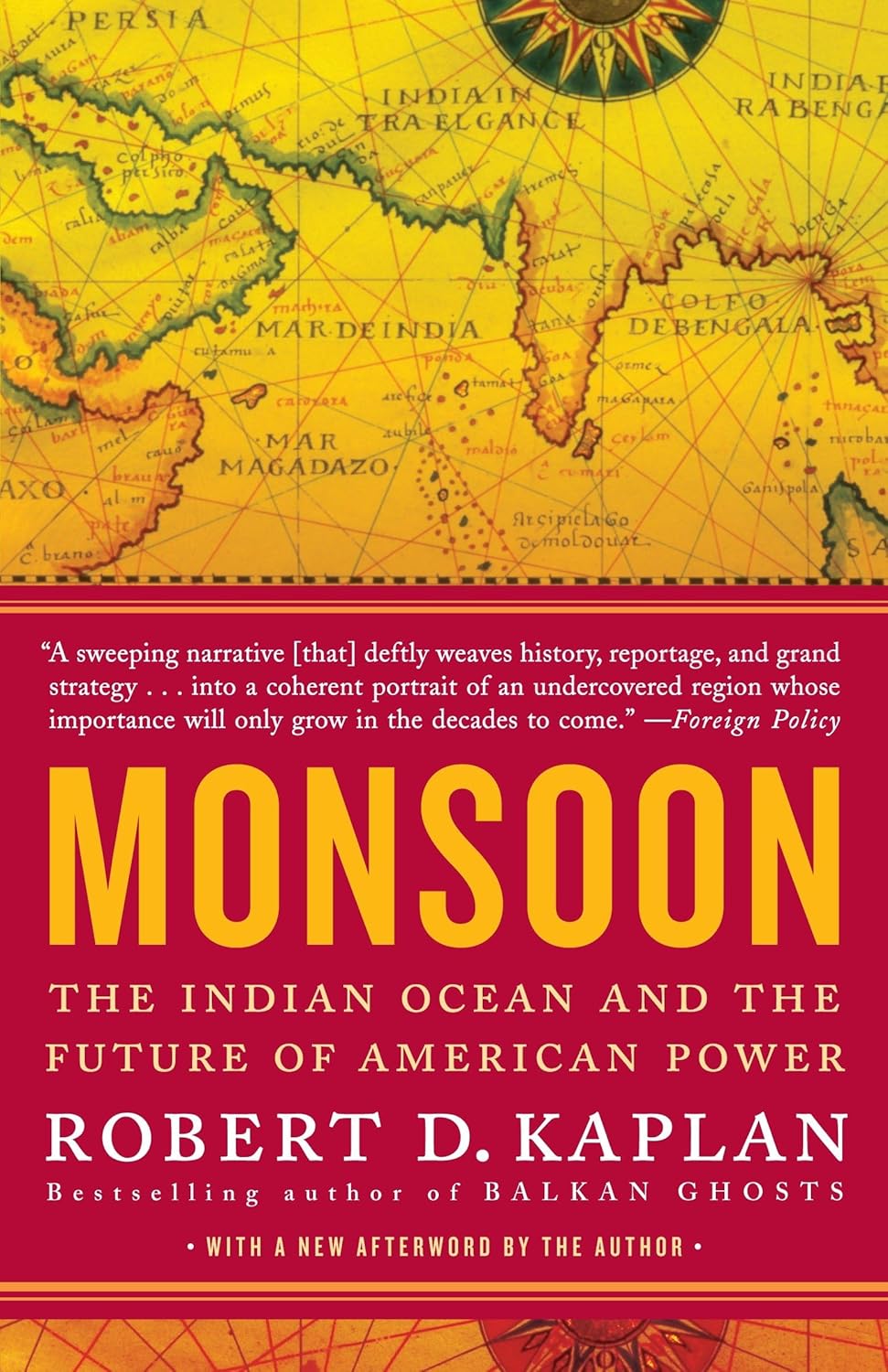
Robert Kaplan is the preeminent popularizer of geopolitics, translating the ideas of thinkers like Mackinder and Mahan into urgent, accessible prose for policymakers and the public. His 1994 article *The Coming Anarchy* presciently warned that environmental degradation and ethnic conflict would define the post-Cold War world, prompting an interagency study ordered by President Clinton. In his 2012 *New York Times* bestseller *The Revenge of Geography*, he argued that the physical map—mountains, rivers, and coastlines—remains the most reliable predictor of great-power conflict, a direct challenge to the liberal assumption that globalization had rendered borders obsolete. A former *Atlantic* correspondent for three decades, he has reported from over 100 countries and served on the Pentagon's Defense Policy Board.



✦What is the central argument of *The Revenge of Geography*?
Kaplan argues that despite globalization and technology, geography remains the most enduring constraint on state behavior. He contends that the physical map—mountain ranges, rivers, coastlines, and resource distributions—continues to shape the destinies of nations, often 'revenging' itself against those who ignore it. The book synthesizes the ideas of classical geopolitical thinkers like Halford Mackinder, Alfred Thayer Mahan, and Nicholas Spykman to forecast future flashpoints, from the South China Sea to the Eurasian heartland[reference:0][reference:1].
✦What was *The Coming Anarchy* and why was it so influential?
Published in the *Atlantic Monthly* in February 1994, *The Coming Anarchy* was a prophetic essay warning that the post-Cold War world would be defined not by a clash of ideologies, but by a 'coming anarchy' driven by population growth, environmental degradation, ethnic conflict, and the failure of weak states[reference:2]. The article was so influential that President Clinton reportedly ordered an interagency study to assess its conclusions, which reportedly agreed with Kaplan's grim prognosis[reference:3].
✦What distinguishes Kaplan's geopolitical approach from that of academic theorists like Mearsheimer or Brzezinski?
Unlike academic realists who build formal theories, Kaplan is a journalist and storyteller who uses on-the-ground reporting to breathe life into geopolitical concepts[reference:4]. Where Mearsheimer offers a parsimonious theory of offensive realism and Brzezinski outlines grand strategy, Kaplan provides a rich, narrative-driven account that weaves together history, travelogue, and strategic analysis. His work is less about proving a theory and more about showing how geography and history manifest in the daily lives of people and the calculations of leaders[reference:5].
✦How did Kaplan's early reporting on the Balkans shape his worldview?
In the 1980s, Kaplan was the first American writer to warn in print about a future war in the Balkans[reference:6]. His 1993 book *Balkan Ghosts: A Journey Through History* explored the region's complex mosaic of ethnic and religious hatreds[reference:7]. The book was chosen by *The New York Times Book Review* as one of the best books of 1993[reference:8] and reportedly influenced President Clinton's hesitation to intervene militarily in the Bosnian War. This experience cemented Kaplan's belief that ancient ethnic and geographic realities often override modern political ideals[reference:9].
✦What is Kaplan's professional background and what positions has he held?
Kaplan was a foreign correspondent for *The Atlantic* for over three decades[reference:10][reference:11]. He has been a senior fellow at the Center for a New American Security, chief geopolitical analyst at Stratfor, and a senior adviser at Eurasia Group[reference:12][reference:13]. He served on the Pentagon's Defense Policy Board and the U.S. Navy's Executive Panel[reference:14][reference:15]. He holds the Robert Strausz-Hupé Chair in Geopolitics at the Foreign Policy Research Institute and is a distinguished senior lecturer at the University of Texas at Austin[reference:16][reference:17].
✦What is a common misconception about Kaplan's work?
A common misconception is that Kaplan is a crude geographic determinist who believes geography dictates all outcomes. In fact, he is a nuanced thinker who sees geography as a crucial, often neglected, factor that sets the parameters for human action, not a force that eliminates agency[reference:18]. His work emphasizes the interplay between physical reality and human choice, arguing that leaders who ignore geographic constraints do so at their peril. He is a realist, but one who acknowledges the power of ideas and culture alongside the power of place.
✦What honors and recognition has Kaplan received?
Kaplan has been named one of the world's 'Top 100 Global Thinkers' by *Foreign Policy* magazine twice[reference:19][reference:20]. *New York Times* columnist Thomas Friedman named him one of the four 'most widely read' authors defining the post-Cold War world, alongside Francis Fukuyama, Paul Kennedy, and Samuel Huntington[reference:21]. He received the Distinguished Alumni Award from the University of Connecticut in 2004 and the Benjamin Franklin Public Service Award from the Foreign Policy Research Institute in 2009[reference:22].