


Psychoanalysis
Explore the hidden layers of the human mind through psychoanalysis — the revolutionary psychological framework developed by Sigmund Freud and expanded by later thinkers like Carl Jung and Jacques Lacan. This domain examines the unconscious mind, dreams, repression, desires, trauma, identity, inner conflict, and the psychological forces shaping human behavior beneath conscious awareness.
 32 min read
How Does Psychoanalysis Help With Anxiety?
 0
0What Is the Mirror Stage? Identity, Alienation and the Image that Shapes Us
 0
0What Is the Collective Unconscious?
 29 min read
How to Interpret Slips of the Tongue?
 29 min read
What Is the Attachment Theory Link?
 30 min read
What Is the Object Relations Theory?
 30 min read
How to Handle Resistance in Analysis?
 31 min read
What Is Self Psychology?
 32 min read
How Does Psychoanalysis Address Trauma?
 29 min read
What Is Projective Identification?
 28 min read
Is Psychoanalysis Still Relevant Today? A Philosophical Reckoning
 30 min read
What Is the Oedipus Complex? A Philosophical Inquiry into Desire and Prohibition
 27 min read
Are Dreams Important in Psychoanalysis? A Philosophical Inquiry into the Unconscious
 21 min read
What Is A Defense Mechanism?
 23 min read
How Does Childhood Affect Adult Behavior?


The Psychopathology of Everyday Life
₹14.95
Introductory Lectures on Psycho-AnalysisV
₹16.95
Moses and Monotheism
₹14.95
Beyond the Pleasure Principle
₹13.95
The Ego and the Id
₹12.95
The Interpretation of Dreams
₹18.95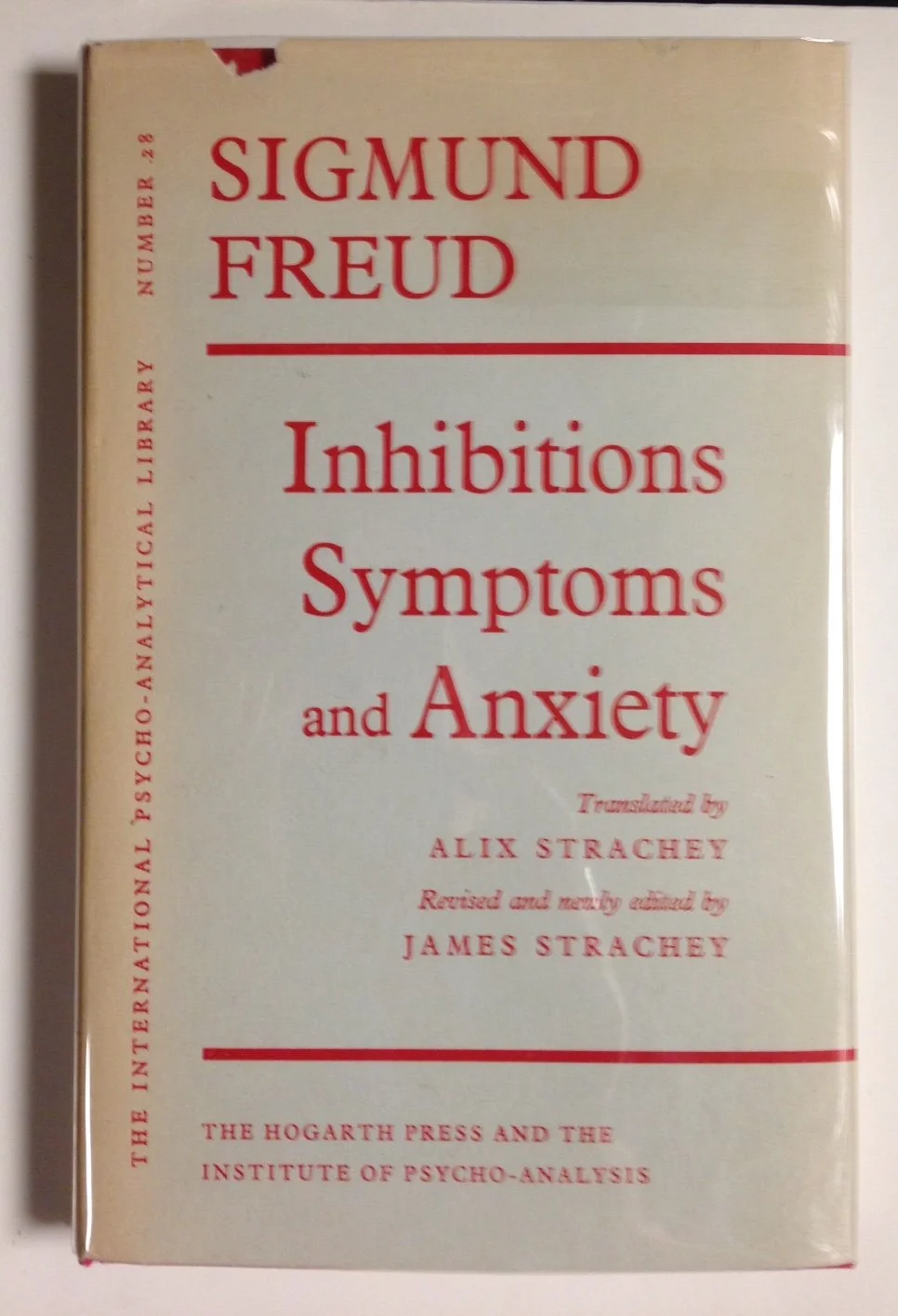
Inhibitions, Symptoms and Anxiety
₹15.95
Studies on Hysteria
₹16.95
Civilization and Its Discontents
₹14.95
Three Essays on the Theory of Sexuality
₹13.95
Group Psychology and the Analysis of the Ego
₹12.95
Totem and Taboo: Resemblances Between the Psychic Lives of Savages and Neurotics
₹14.95
Envy and Gratitude: A Study of Unconscious Sources

Developments in Psycho-Analysis

Love, Guilt and Reparation: And Other Works 1921–1945
✦What is psychoanalysis?
Psychoanalysis is a psychological theory and method developed by Sigmund Freud focused on understanding the unconscious mind, hidden desires, emotional conflict, and human behavior.
✦What topics are covered in psychoanalysis?
Psychoanalysis explores dreams, repression, trauma, childhood experiences, subconscious desires, identity, defense mechanisms, and emotional conflict.
✦Who are the major thinkers in psychoanalysis?
Major figures include Sigmund Freud, Carl Jung, Alfred Adler, Jacques Lacan, and Anna Freud.
✦Why is psychoanalysis important?
It transformed how humans understand the mind, emotions, personality, trauma, and unconscious behavior, influencing psychology, philosophy, literature, and modern culture.
✦What is the unconscious mind in psychoanalysis?
The unconscious mind refers to hidden thoughts, desires, fears, and memories that influence human behavior without conscious awareness.
✦How does psychoanalysis explain dreams?
Psychoanalysis views dreams as symbolic expressions of unconscious desires, fears, unresolved emotions, and psychological conflicts.
✦What are defense mechanisms?
Defense mechanisms are unconscious psychological strategies used by the mind to reduce anxiety, emotional pain, or internal conflict.
✦Is psychoanalysis still relevant today?
Yes. Psychoanalytic ideas continue to influence psychology, therapy, philosophy, storytelling, human behavior studies, and self-awareness practices.
✦What is repression in psychoanalysis?
Repression is the unconscious process of pushing painful memories, desires, or emotions out of conscious awareness to avoid emotional discomfort.
✦Who should study psychoanalysis?
Psychoanalysis is valuable for anyone interested in psychology, philosophy, human behavior, self-analysis, trauma, emotional patterns, and the deeper workings of the mind.